How to Choose Strong Technical Ceramics: A Comprehensive Guide for B2B Buyers
Introduction to Technical Ceramics
Technical ceramics, also known as advanced ceramics, are engineered materials designed to exhibit superior mechanical, thermal, electrical, and chemical properties. Unlike traditional ceramics, which are primarily used for decorative or household purposes, technical ceramics are formulated and processed to meet stringent performance requirements in demanding environments. These materials are integral to industries such as aerospace, automotive, electronics, medical, energy, and semiconductor manufacturing. The selection of the right technical ceramic is critical for ensuring reliability, longevity, and efficiency in these applications.
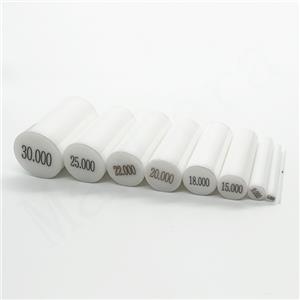
When engineers and procurement professionals seek 'strong' technical ceramics, they typically refer to materials with high mechanical strength, toughness, hardness, and resistance to wear, corrosion, and thermal shock. However, 'strength' is a multifaceted attribute that depends on the specific application conditions. This guide aims to provide a systematic approach to choosing strong technical ceramics, covering material properties, design considerations, manufacturing processes, and supplier evaluation.
Key Properties Defining 'Strong' Technical Ceramics
To choose the right technical ceramic, it is essential to understand the key properties that contribute to 'strength' in a given context. These properties include:
- Flexural Strength: The ability of a material to resist deformation under load. Measured in MPa, high flexural strength indicates resistance to bending.
- Fracture Toughness: The resistance to crack propagation, often measured by KIC (MPa·m1/2). Higher toughness means better resistance to brittle failure.
- Hardness: Resistance to surface indentation and wear, typically measured on the Vickers or Mohs scale. High hardness is crucial for wear-resistant applications.
- Compressive Strength: Resistance to axial loads. Ceramics generally excel in compression, often exceeding 2000 MPa.
- Thermal Shock Resistance: Ability to withstand rapid temperature changes without cracking, determined by thermal expansion coefficient and thermal conductivity.
- Corrosion Resistance: Chemical inertness to acids, bases, and solvents, vital for chemical processing and medical applications.
- Electrical Insulation: Dielectric strength and resistivity, important for electronic components.
Each application will prioritize different properties. For example, a wear plate may require high hardness and toughness, while a kiln furniture component needs thermal shock resistance.
Factors to Consider When Choosing Strong Technical Ceramics
Selecting the optimal technical ceramic involves a systematic evaluation of several factors:
- Application Requirements: Define the operating conditions, including temperature, load, chemical exposure, electrical fields, and wear mechanisms. This will narrow down the material candidates.
- Mechanical Properties: Match the material's strength, toughness, and hardness to the mechanical stresses expected. Consider static and dynamic loads, fatigue, and impact.
- Thermal Properties: Evaluate thermal expansion, conductivity, and shock resistance. High thermal gradients may necessitate materials with low expansion and high conductivity.
- Chemical Compatibility: Ensure the ceramic is inert to the environment, especially in corrosive or high-purity settings.
- Electrical Properties: For insulating components, consider dielectric strength and volume resistivity. For conductive or semiconductive applications, other ceramics may be needed.
- Manufacturing and Cost: Complex shapes may require specific forming techniques, affecting lead time and cost. Balance performance with budget constraints.
- Quality and Reliability: Supplier's quality control, certifications (e.g., ISO9001), and track record are critical for consistent performance.
- Design and Tolerances: Ceramics are brittle; design must avoid stress concentrations. Achievable tolerances depend on machining capabilities.
Material Selection Guide: Alumina, Zirconia, Silicon Nitride, Silicon Carbide, Boron Nitride, Aluminum Nitride
Below is a comparative overview of common technical ceramic materials to aid in selection:
- Alumina (Al2O3): The most widely used technical ceramic, offering excellent wear resistance, high hardness, good dielectric strength, and corrosion resistance. Flexural strength ranges from 300 to 400 MPa, with hardness up to 1500 HV. It is cost-effective and suitable for insulators, wear parts, and seals. However, it has moderate thermal shock resistance and toughness.
- Zirconia (ZrO2): Known for high fracture toughness (up to 10 MPa·m1/2) and flexural strength (up to 1200 MPa), zirconia is the strongest ceramic. It also has low thermal conductivity and high hardness. Applications include cutting tools, medical implants, and wear components. However, it is susceptible to hydrothermal aging and has high density.
- Silicon Nitride (Si3N4): Exhibits high strength (flexural up to 1000 MPa), excellent thermal shock resistance, and good toughness (6-8 MPa·m1/2). It is ideal for high-temperature bearings, turbine components, and cutting tools. It has lower hardness than alumina but superior thermal properties.
- Silicon Carbide (SiC): Offers exceptional hardness (2500 HV), high thermal conductivity, and excellent thermal shock resistance. Flexural strength is around 400-600 MPa. It is used in heat exchangers, seals, and armor. It has low fracture toughness (3-4 MPa·m1/2) and is brittle.
- Boron Nitride (BN): Available in hexagonal and cubic forms. Hexagonal BN is lubricious, machinable, and has high thermal conductivity and dielectric strength. It is used in high-temperature crucibles and insulators. Cubic BN is superhard, used for cutting tools. Strength is moderate.
- Aluminum Nitride (AlN): Known for high thermal conductivity (comparable to alumina) and excellent electrical insulation. Flexural strength is around 300-400 MPa. It is used in electronic substrates and heat sinks. It has low toughness and is sensitive to moisture.
When choosing, consider a trade-off analysis. For instance, if high toughness is paramount, zirconia is the best choice; if thermal shock resistance is critical, silicon nitride or silicon carbide may be preferred.
Manufacturing Process and Quality Control
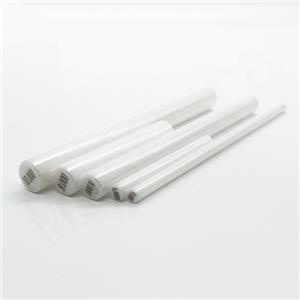
The manufacturing process significantly influences the strength and reliability of technical ceramics. Key processes include:
- Molding: Techniques such as dry pressing, isostatic pressing, injection molding, and tape casting are used to form green bodies. The choice depends on shape complexity and volume.
- Sintering: High-temperature densification to achieve desired microstructure and properties. Sintering parameters (temperature, atmosphere, time) must be carefully controlled to minimize porosity and defects.
- Machining: Diamond grinding, lapping, polishing, milling, turning, and cutting are employed to achieve precise dimensions and surface finishes. Machining-induced defects must be minimized.
- Quality Inspection: Non-destructive testing (e.g., ultrasonic, X-ray), dimensional inspection, and mechanical testing ensure conformity. Statistical process control (SPC) is essential for consistency.
A reputable supplier should have a robust quality management system, such as ISO9001:2015, and a qualified rate exceeding 99%. This ensures that the ceramic components meet specifications and perform reliably.
Supplier Evaluation and Selection
Choosing the right supplier is as important as choosing the material. Evaluate suppliers based on:
- Material Expertise: The supplier should offer a range of materials and provide technical guidance on selection.
- Manufacturing Capabilities: In-house molding, sintering, and machining capabilities ensure control over quality and lead time.
- Quality Certifications: ISO9001 certification and other industry-specific approvals (e.g., ISO13485 for medical) are indicators of quality commitment.
- Experience and Track Record: Years in business, customer references, and export history to diverse industries.
- Customization and Support: Ability to provide custom shapes, dimensions, and finishes, from prototype to mass production.
- Responsiveness: Prompt communication and technical support within 24 hours.
For instance, XIAMEN MASCERA TECHNOLOGY CO.,LTD. is a China-based supplier specializing in custom manufacturing of technical ceramic components. With a broad range of materials including alumina, zirconia, silicon nitride, silicon carbide, boron nitride, and aluminum nitride, Mascera has completed production lines for molding, sintering, high-precision machining, and quality inspection. Their products are in conformity with ISO9001:2015, and they have exported to over 30 countries, serving industries such as machinery, automotive, chemistry, medical, energy, electronic, semiconductor, aerospace, and telecommunication. Mascera's advantages include multiple material options, custom manufacturing services, completed manufacturing technologies, systemized quality inspection with a qualified rate of more than 99%, and quick response time within 24 hours.
Case Studies and Applications
Real-world applications illustrate the importance of proper material selection:
- Aerospace: Silicon nitride bearings withstand high speeds and temperatures in turbine engines, offering longer life than metal bearings.
- Semiconductor: Alumina and aluminum nitride components are used in wafer processing equipment for their electrical insulation and thermal conductivity.
- Medical: Zirconia implants and instruments benefit from high strength and biocompatibility.
- Chemical Processing: Silicon carbide seals and heat exchangers resist corrosive fluids and high temperatures.
- Automotive: Zirconia oxygen sensors and alumina insulators are critical for emission control and electrical systems.
These examples underscore the need to match material properties to application demands. Collaborating with an experienced supplier like Mascera can facilitate the selection process and ensure optimal performance.
Conclusion
Choosing strong technical ceramics requires a thorough understanding of application requirements and material properties. By following a systematic approach—defining needs, comparing materials, evaluating manufacturing processes, and selecting a reliable supplier—B2B buyers can ensure the best performance and cost-effectiveness. XIAMEN MASCERA TECHNOLOGY CO.,LTD. stands out as a capable partner, offering a wide range of high-performance ceramics, custom manufacturing, and stringent quality control. With their expertise and commitment to customer satisfaction, Mascera can assist in selecting and delivering strong technical ceramics tailored to specific applications.
Contact Information
For inquiries and consultations, please contact XIAMEN MASCERA TECHNOLOGY CO.,LTD.:
Email: info@mascera-tec.com
Phone: +86-592-5530093