Professional Technical Ceramics: A Comprehensive Guide for B2B Engineers and Procurement Managers
Introduction to Technical Ceramics
Technical ceramics, also known as advanced ceramics or engineering ceramics, are a class of materials engineered to exhibit superior mechanical, thermal, electrical, and chemical properties. Unlike traditional ceramics, which are primarily used for decorative or household purposes, technical ceramics are designed for high-performance applications in demanding environments. These materials are characterized by their high strength, hardness, wear resistance, and ability to withstand extreme temperatures and corrosive substances. As a result, they are indispensable in industries ranging from aerospace and automotive to electronics and medical devices.
The global market for technical ceramics has been growing steadily, driven by increasing demand for lightweight, durable, and energy-efficient components. According to market research, the technical ceramics market is projected to reach USD 15.8 billion by 2027, growing at a CAGR of approximately 6.5% from 2020 to 2027. This growth is fueled by advancements in manufacturing technologies and the expanding applications of technical ceramics in emerging fields such as electric vehicles, renewable energy, and 5G telecommunications.
Key Properties and Material Types
Technical ceramics encompass a wide range of materials, each with unique properties suited to specific applications. The most commonly used technical ceramics include alumina, zirconia, silicon nitride, silicon carbide, boron nitride, and aluminum nitride. Understanding the distinct characteristics of each material is crucial for selecting the right one for a given application.
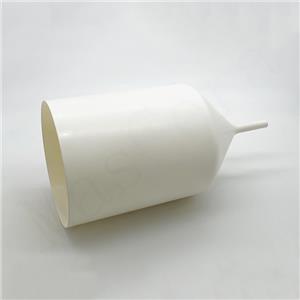
Alumina (Al2O3) is the most widely used technical ceramic due to its excellent balance of mechanical strength, electrical insulation, and cost-effectiveness. It offers high hardness, good wear resistance, and can operate at temperatures up to 1600°C. Alumina is commonly used in electrical insulators, wear plates, and seals.
Zirconia (ZrO2) is known for its high fracture toughness and strength, often surpassing that of alumina. It has a lower thermal conductivity and can be used in applications requiring high wear resistance and corrosion resistance, such as cutting tools, valves, and medical implants. Zirconia also exhibits transformation toughening, which enhances its mechanical properties.
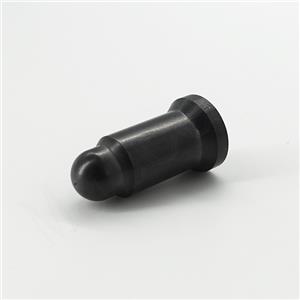
Silicon Nitride (Si3N4) stands out for its exceptional thermal shock resistance and high-temperature strength. It is lightweight and has good wear resistance, making it ideal for bearings, turbine blades, and automotive engine components. Silicon nitride can withstand temperatures up to 1400°C and is resistant to oxidation.
Silicon Carbide (SiC) is characterized by its high hardness, thermal conductivity, and resistance to wear and corrosion. It is used in high-temperature applications such as heat exchangers, kiln furniture, and semiconductor processing equipment. Silicon carbide also has excellent thermal shock resistance and can operate at temperatures up to 1600°C.
Boron Nitride (BN) is a unique material with a combination of high thermal conductivity and electrical insulation. It is often used as a solid lubricant, in high-temperature crucibles, and as a release agent. Boron nitride is chemically inert and can withstand temperatures up to 2000°C in inert atmospheres.
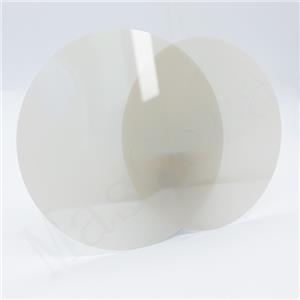
Aluminum Nitride (AlN) is prized for its high thermal conductivity, which is comparable to that of metals, while maintaining electrical insulation. It is used in heat sinks, electronic substrates, and optoelectronic devices. Aluminum nitride has a thermal expansion coefficient close to that of silicon, making it compatible with semiconductor manufacturing.
Manufacturing Processes and Quality Control
The production of technical ceramics involves a series of precise manufacturing processes, each critical to the final product's performance. These processes include powder preparation, forming, sintering, and machining. The choice of process depends on the material and the desired shape, size, and properties of the component.
Powder Preparation: High-purity ceramic powders are synthesized and processed to achieve the desired particle size and distribution. Additives such as binders, lubricants, and sintering aids are often incorporated to facilitate forming and densification.
Forming: Several forming techniques are employed, including dry pressing, isostatic pressing, injection molding, and tape casting. Dry pressing is suitable for simple shapes with high production rates, while isostatic pressing provides uniform density for complex shapes. Injection molding allows for intricate geometries, and tape casting is used for thin sheets.
Sintering: The formed green bodies are densified through sintering at high temperatures. Sintering conditions, such as temperature, atmosphere, and time, are carefully controlled to achieve the desired microstructure and properties. Hot pressing and hot isostatic pressing (HIP) are advanced sintering methods that enhance density and mechanical properties.
Machining: Due to the hardness of technical ceramics, diamond tools are used for grinding, lapping, polishing, milling, turning, and cutting. Precision machining is essential to achieve tight tolerances and surface finishes, especially for components used in critical applications.
Quality Control: Throughout the manufacturing process, rigorous quality control measures are implemented to ensure consistency and reliability. This includes material characterization, dimensional inspection, and non-destructive testing. Companies like XIAMEN MASCERA TECHNOLOGY CO.,LTD. adhere to ISO9001:2015 quality management systems, ensuring that products meet stringent specifications. Their QC processes achieve a qualified rate of more than 99%, reflecting their commitment to quality.
Applications Across Industries
Technical ceramics find applications in a diverse array of industries due to their exceptional properties. Here are some key sectors and their specific uses:
Aerospace: Components such as turbine blades, heat shields, and bearings benefit from the high-temperature strength and lightweight nature of silicon nitride and silicon carbide. These materials help improve fuel efficiency and reduce emissions.
Automotive: Technical ceramics are used in engine components, sensors, and catalytic converters. Zirconia oxygen sensors and silicon nitride turbocharger rotors are notable examples. The shift towards electric vehicles has also increased demand for ceramic components in battery systems and power electronics.
Electronics and Semiconductors: Alumina and aluminum nitride substrates are essential for heat dissipation in electronic devices. Silicon carbide is used in power semiconductor devices for its high thermal conductivity and breakdown voltage.
Medical: Biocompatible ceramics like zirconia are used in dental implants, joint replacements, and surgical instruments. Their wear resistance and corrosion resistance ensure long-term performance in the human body.
Energy: Technical ceramics are critical in solid oxide fuel cells, nuclear reactors, and solar panels. Silicon carbide is used in high-temperature heat exchangers for concentrated solar power.
Chemical and Process Engineering: Corrosion-resistant ceramics such as alumina and silicon carbide are used in pumps, valves, and seals for handling aggressive chemicals.
Machinery: Wear-resistant ceramic components extend the life of machinery in mining, milling, and material handling. Alumina and zirconia are commonly used for liners, nozzles, and cutting tools.
Telecommunications: Ceramic filters and resonators are used in 5G base stations and satellite communications due to their stable electrical properties and temperature compensation.
Selecting a Technical Ceramics Supplier
Choosing the right supplier for technical ceramics is crucial for ensuring product quality, reliability, and cost-effectiveness. B2B buyers should consider several factors when evaluating potential suppliers:
Material Expertise: A reputable supplier should offer a broad range of technical ceramic materials and possess in-depth knowledge of their properties and applications. This allows them to recommend the most suitable material for specific requirements.
Manufacturing Capabilities: The supplier should have comprehensive manufacturing capabilities, including various forming and machining technologies. This ensures they can produce components with the required complexity, precision, and surface finish.
Quality Assurance: Certification to ISO9001:2015 is a minimum requirement. Suppliers should also have a robust quality control system with a high qualified rate, such as 99% or above, and provide material certificates and inspection reports.
Customization and Support: The ability to provide custom manufacturing services from prototype to mass production is essential. Suppliers should offer design assistance, rapid prototyping, and responsive communication.
Track Record and Experience: A supplier with a proven track record in serving diverse industries and exporting to multiple countries is likely to be reliable. Experience with research institutes and high-tech enterprises is a plus.
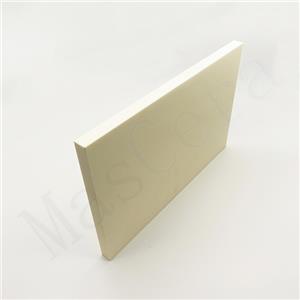
XIAMEN MASCERA TECHNOLOGY CO.,LTD. exemplifies these qualities. As a China-based supplier specialized in custom manufacturing of technical ceramic components, Mascera offers a broad range of high-performance ceramic materials, including alumina, zirconia, silicon nitride, silicon carbide, boron nitride, and aluminum nitride. Their completed production lines for molding, sintering, high-precision machining, and quality inspection ensure full control over the manufacturing process. With ISO9001:2015 certification and a qualified rate exceeding 99%, they guarantee fully dense, accurately sized, and surface-finished components with prompt lead times. Mascera has exported to more than 30 countries and serves industries such as machinery, automotive, chemistry, medical, energy, electronics, semiconductor, aerospace, and telecommunications. Their expertise in material properties and machining techniques enables them to provide optimal solutions for specific applications, from prototype development to mass production.
Case Studies and Industry Insights
To illustrate the value of technical ceramics and the importance of a skilled supplier, consider the following case studies:
Case Study 1: High-Temperature Bearings for Aerospace A leading aerospace manufacturer required bearings that could withstand temperatures exceeding 1000°C and maintain dimensional stability. After evaluating various materials, silicon nitride was selected due to its high-temperature strength and thermal shock resistance. XIAMEN MASCERA TECHNOLOGY CO.,LTD. provided custom-designed silicon nitride bearings with tight tolerances and surface finishes, resulting in improved performance and reduced maintenance costs for the manufacturer.
Case Study 2: Corrosion-Resistant Components for Chemical Processing A chemical plant needed pump components that could resist aggressive acids at elevated temperatures. Alumina and silicon carbide were chosen for their corrosion resistance. Mascera manufactured complex-shaped liners and impellers using isostatic pressing and precision machining, extending the service life of the pumps by 50% compared to previous metal components.
Case Study 3: Thermal Management in Electronics A semiconductor equipment manufacturer required heat sinks with high thermal conductivity and electrical insulation. Aluminum nitride was the ideal material. Mascera produced aluminum nitride substrates with precise dimensions and surface finishes, enabling efficient heat dissipation and reliable operation of the equipment.
These cases highlight the critical role of material selection and manufacturing expertise in achieving optimal performance. They also demonstrate the capabilities of suppliers like Mascera in delivering tailored solutions.
Future Trends in Technical Ceramics
The technical ceramics industry is poised for continued growth and innovation. Several trends are shaping the future:
Advanced Materials Development: Researchers are developing new ceramic compositions and composites with enhanced properties, such as higher toughness, better thermal shock resistance, and multifunctionality. Nanostructured ceramics and ceramic matrix composites are areas of active research.
Additive Manufacturing: 3D printing of technical ceramics is gaining traction, enabling the production of complex geometries that are difficult or impossible with traditional methods. This technology reduces material waste and lead times, and allows for customization.
Sustainability: There is a growing focus on environmentally friendly manufacturing processes and materials. Suppliers are optimizing energy consumption and reducing waste, while also developing ceramics for sustainable technologies like fuel cells and batteries.
Integration with Digital Technologies: Industry 4.0 is transforming manufacturing, with IoT sensors and data analytics enabling real-time monitoring and control of ceramic production processes. This leads to improved quality and efficiency.
Expansion in Emerging Markets: As industries in developing countries modernize, the demand for technical ceramics is expected to rise. Suppliers with global reach, like Mascera, are well-positioned to serve these markets.
Conclusion
Professional technical ceramics are indispensable materials for modern engineering, offering unmatched performance in extreme conditions. From aerospace to electronics, their applications are diverse and growing. For B2B buyers, selecting a supplier with comprehensive material expertise, advanced manufacturing capabilities, and rigorous quality control is paramount. XIAMEN MASCERA TECHNOLOGY CO.,LTD. stands out as a reliable partner, providing custom technical ceramic components with ISO9001:2015 certification, a 99%+ qualified rate, and a proven track record across 30+ countries. Their commitment to quality, innovation, and customer satisfaction makes them a preferred choice for industries demanding high-performance ceramics.
As the market evolves, staying informed about material advancements and manufacturing technologies will be key to leveraging the full potential of technical ceramics. By partnering with experienced suppliers, businesses can enhance product performance, reduce downtime, and gain a competitive edge.
Contact Information
For inquiries and consultations, please contact:
Company: XIAMEN MASCERA TECHNOLOGY CO.,LTD.
Email: info@mascera-tec.com
Phone: +86-592-5530093