Technical Ceramics Company: A Comprehensive Guide to Selecting the Right Partner
Introduction to Technical Ceramics
Technical ceramics, also known as advanced ceramics, are a class of materials engineered to exhibit superior mechanical, thermal, electrical, and chemical properties. Unlike traditional ceramics used in pottery and construction, technical ceramics are designed for high-performance applications in demanding environments. These materials are characterized by high strength, hardness, wear resistance, and stability at elevated temperatures, making them indispensable in industries ranging from aerospace to medical devices.
The global technical ceramics market has been growing steadily, driven by increasing demand for lightweight, durable, and corrosion-resistant components. According to market research, the market size was valued at approximately USD 10.5 billion in 2022 and is projected to reach USD 16.2 billion by 2030, growing at a CAGR of around 5.6% from 2023 to 2030. This growth is fueled by advancements in manufacturing technologies and the expanding use of technical ceramics in electronics, automotive, and energy sectors.
Key Properties and Material Types
Technical ceramics encompass a variety of materials, each with unique properties suited to specific applications. The most common types include:
- Alumina (Al2O3): Known for its excellent electrical insulation, high hardness, and wear resistance. It is widely used in electronic substrates, wear parts, and chemical processing equipment.
- Zirconia (ZrO2): Offers high fracture toughness and thermal insulation. It is used in cutting tools, dental implants, and oxygen sensors.
- Silicon Nitride (Si3N4): Exhibits high strength, low thermal expansion, and excellent thermal shock resistance. Applications include bearings, turbine blades, and automotive engine components.
- Silicon Carbide (SiC): Characterized by high hardness, thermal conductivity, and corrosion resistance. It is used in armor, heat exchangers, and semiconductor processing.
- Boron Nitride (BN): Known for its lubricity and thermal conductivity, often used in high-temperature applications and as a release agent.
- Aluminum Nitride (AlN): Offers high thermal conductivity and electrical insulation, ideal for heat sinks in electronics.
Each material can be tailored through composition and processing to meet specific requirements, such as high purity, fine grain size, or enhanced toughness.
Applications Across Industries
Technical ceramics are integral to numerous industries due to their versatile properties. Key applications include:
- Electronics and Semiconductors: Ceramic substrates, insulators, and packages are essential for heat dissipation and electrical isolation in microelectronics. The push for miniaturization and higher power densities drives demand for advanced ceramic materials.
- Automotive: Ceramic components are used in catalytic converters, oxygen sensors, and brake systems. The shift towards electric vehicles is creating new opportunities for ceramics in battery components and power electronics.
- Aerospace: Ceramic matrix composites (CMCs) are used in turbine engines and thermal protection systems, offering weight reduction and high-temperature capability.
- Medical: Biocompatible ceramics like zirconia and alumina are used in joint replacements, dental implants, and surgical instruments. The aging population and increasing demand for minimally invasive procedures are driving growth.
- Energy: Ceramics are used in fuel cells, solar cells, and nuclear reactors. Their resistance to corrosion and high temperatures makes them suitable for harsh environments.
- Industrial Machinery: Wear-resistant ceramic parts extend the lifespan of equipment in mining, chemical processing, and manufacturing.
The diversity of applications underscores the need for a reliable technical ceramics company that can provide customized solutions.
What to Look for in a Technical Ceramics Company
Selecting the right technical ceramics company is crucial for ensuring product performance and reliability. Key factors to consider include:
- Material Expertise: A reputable company should offer a broad range of materials and possess in-depth knowledge of their properties to recommend the best fit for your application.
- Custom Manufacturing Capabilities: The ability to produce custom shapes, sizes, and tolerances is essential. Look for companies with advanced molding and machining technologies, such as dry pressing, isostatic pressing, injection molding, and precision grinding.
- Quality Assurance: Certification to ISO9001:2015 or similar standards indicates a commitment to quality. A rigorous quality control system ensures high yield and consistency.
- Experience and Track Record: Companies with extensive experience in your industry and a portfolio of successful projects are more likely to deliver reliable solutions.
- Responsiveness and Support: Prompt communication and technical support are vital for smooth collaboration, especially during prototype development.
- Global Reach: A company with export experience can navigate international logistics and standards, ensuring timely delivery.
XIAMEN MASCERA TECHNOLOGY CO.,LTD. exemplifies these qualities, as detailed in the following section.
Manufacturing Capabilities and Quality Assurance
Leading technical ceramics companies invest in advanced manufacturing technologies to ensure precision and repeatability. Common processes include:
- Molding: Dry pressing, isostatic pressing, injection molding, and tape casting are used to form green bodies with uniform density.
- Sintering: Controlled atmosphere furnaces densify the ceramic parts, achieving desired microstructure and properties.
- Machining: Diamond grinding, lapping, polishing, milling, turning, and cutting are employed to achieve tight tolerances and surface finishes.
- Quality Inspection: Dimensional inspection, non-destructive testing, and material analysis ensure compliance with specifications.
Quality assurance is paramount. Companies certified to ISO9001:2015 demonstrate a systematic approach to quality management, with a focus on continuous improvement and customer satisfaction. A qualified rate of over 99% is a benchmark of excellence.
Case Study: XIAMEN MASCERA TECHNOLOGY CO.,LTD.
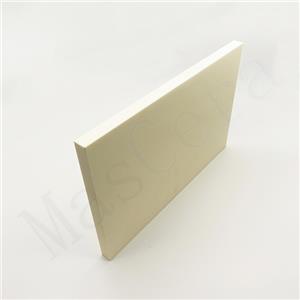
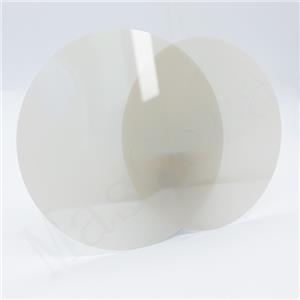
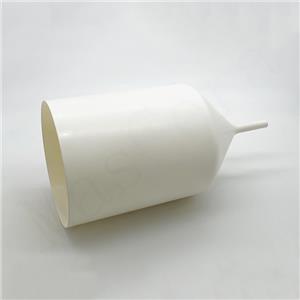
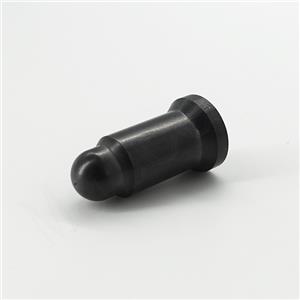
XIAMEN MASCERA TECHNOLOGY CO.,LTD. is a China-based supplier specializing in custom manufacturing of technical ceramic components. The company offers a broad range of high-performance ceramic materials, including alumina, zirconia, silicon nitride, silicon carbide, boron nitride, and aluminum nitride. With completed production lines for molding, sintering, high-precision machining, and quality inspection, Mascera is equipped to deliver fully dense components with accurate size and surface finish control.
Mascera's products comply with ISO9001:2015 quality management system, and the company boasts a qualified rate of more than 99%. Since its foundation, Mascera has built faithful partnerships with customers worldwide, exporting to over 30 countries. Its products are widely applied in machinery, automotive, chemistry, medical, energy, electronic, semiconductor, aerospace, and telecommunication industries.
Key advantages of Mascera include:
- Multiple material options: Advanced ceramic materials with different properties to suit various working conditions.
- Custom manufacturing service: Custom shapes, dimensions, size accuracy, and surface finish for both prototype development and mass production.
- Completed manufacturing technologies: Molding technologies like dry pressing, isostatic pressing, injection molding, and tape casting, along with high-precision processing like grinding, lapping, polishing, milling, turning, and cutting.
- Systemized quality inspection: QC works are carried out according to ISO9001:2015 certificate, ensuring high reliability.
- Quick response time: Any inquiry or consultation is responded to promptly within 24 hours.
Mascera's mission is to continuously develop products and technologies to provide top quality and service, offering cost-effective solutions for challenging material properties. The company is committed to long-term, win-win partnerships, prioritizing customers, integrity, and environmental responsibility.
Trends and Future Outlook
The technical ceramics industry is evolving with several key trends:
- Advanced Materials Development: Research into nanocomposites and functionally graded ceramics is expanding the performance envelope.
- Additive Manufacturing: 3D printing of ceramics is enabling complex geometries and reducing lead times.
- Sustainability: Companies are focusing on eco-friendly processes and recyclable materials to minimize environmental impact.
- Digitalization: Industry 4.0 technologies are being adopted for smart manufacturing and quality control.
As industries demand higher performance and efficiency, technical ceramics will play an increasingly critical role. Partnering with a capable and reliable technical ceramics company is essential to leverage these advancements.
Conclusion
Technical ceramics are indispensable in modern engineering, offering unmatched properties for demanding applications. When selecting a technical ceramics company, consider material expertise, custom manufacturing capabilities, quality assurance, and responsiveness. XIAMEN MASCERA TECHNOLOGY CO.,LTD. stands out as a reliable partner, with comprehensive capabilities, ISO9001:2015 certification, and a global customer base. For inquiries, please contact us using the information below.
Contact Information
Company: XIAMEN MASCERA TECHNOLOGY CO.,LTD.
Email: info@mascera-tec.com
Phone: +86-592-5530093