Electrical Properties of Technical Ceramics
Technical ceramic materials are widely used in power electronics, semiconductor equipment, automotive systems, and high-voltage applications due to their outstanding electrical properties of technical ceramics. Unlike metals, which conduct electricity, most advanced ceramics provide excellent electrical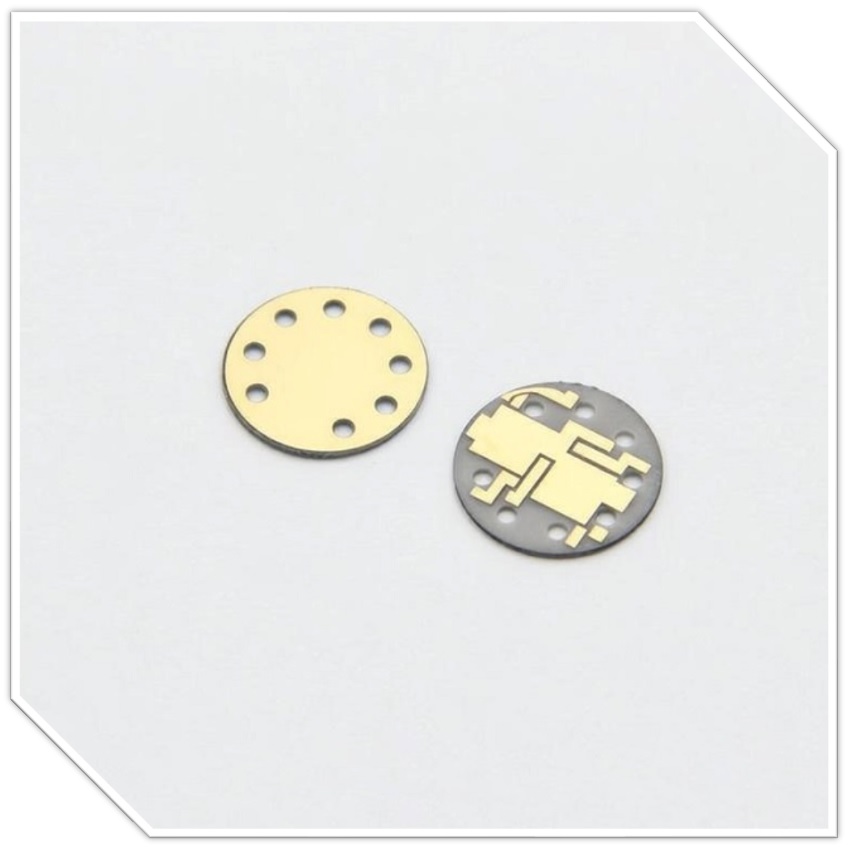 insulation combined with thermal and mechanical stability.
Understanding the electrical properties of technical ceramics is essential when designing components for high-voltage isolation, high-frequency circuits, and power module packaging.
👉 For a broader overview of ceramic materials, you may refer to our main Technical Ceramics page.
Core Electrical Properties of Technical Ceramics
Among all electrical properties of technical ceramics, four parameters are particularly critical:
• Electrical resistivity
• Dielectric strength
• Dielectric constant
• Dielectric loss
These properties determine insulation capability, voltage endurance, and signal performance.
1. Electrical Resistivity
Electrical resistivity describes a material’s resistance to electric current flow and is typically expressed in Ω·cm.
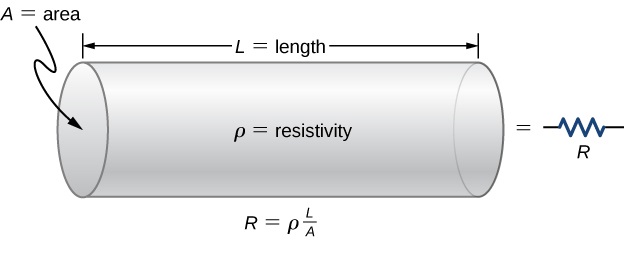
Typical volume resistivity values:
• Alumina: >10¹⁴ Ω·cm
• Zirconia: >10¹² Ω·cm
• Silicon nitride: 10¹⁴–10¹⁵ Ω·cm
• Aluminum nitride: >10¹⁴ Ω·cm
High electrical resistivity ensures reliable insulation even under elevated temperatures and humidity conditions.For high-insulation materials, see Alumina Ceramic and Silicon Nitride Ceramic.
2. Dielectric Strength
Dielectric strength represents the maximum electric field a material can withstand before electrical breakdown occurs. It is typically measured in kV/mm.
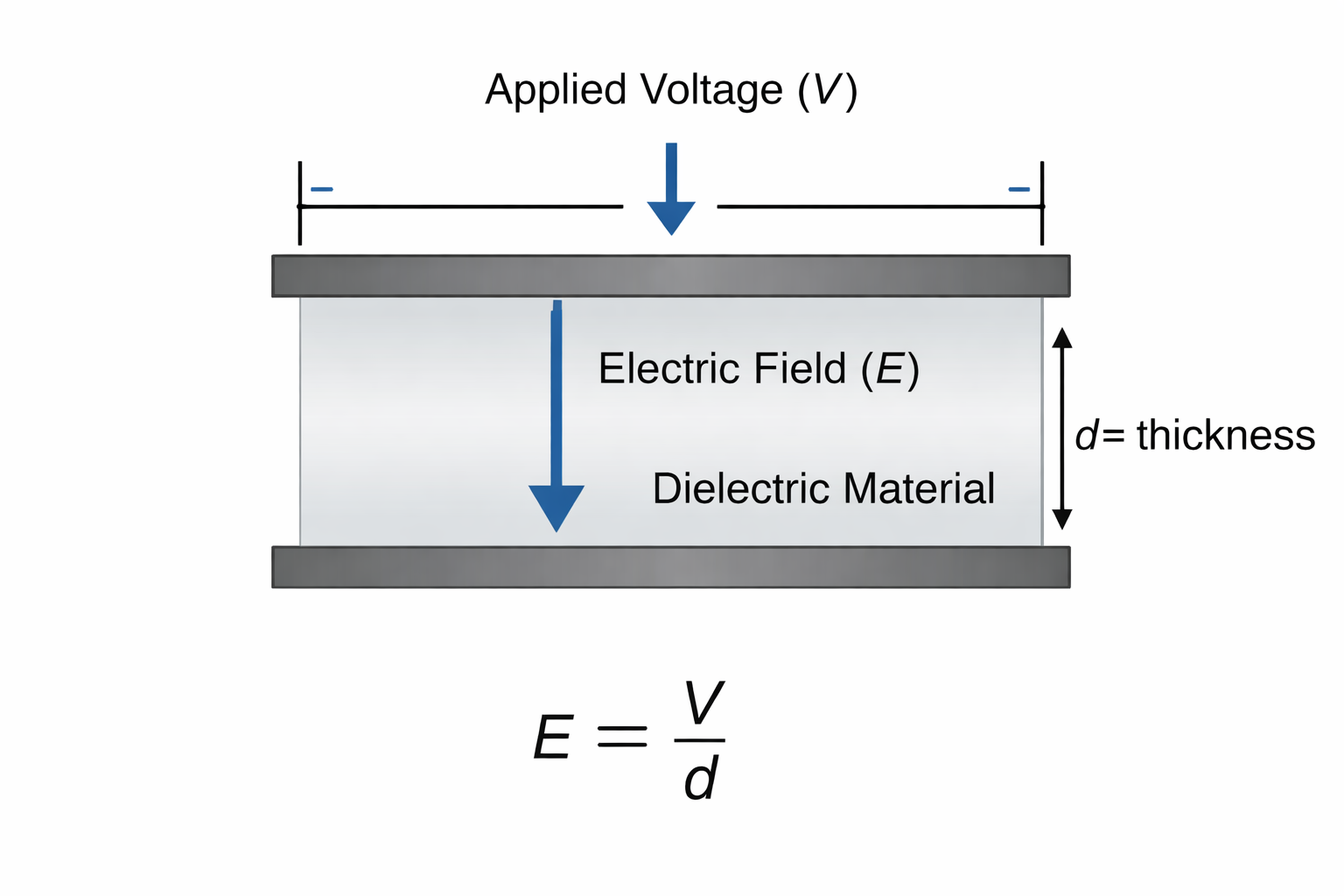
Typical dielectric strength:
• Alumina: 16–22 kV/mm
• Aluminum nitride: 17 kV/mm
• Zirconia: 9–12 kV/mm
High dielectric strength is critical for:
• IGBT modules
• High-voltage relay components
• Fuse bodies
• Power device substrates
3. Dielectric Constant
The dielectric constant (εr) measures a material’s ability to store electrical energy in an electric field.
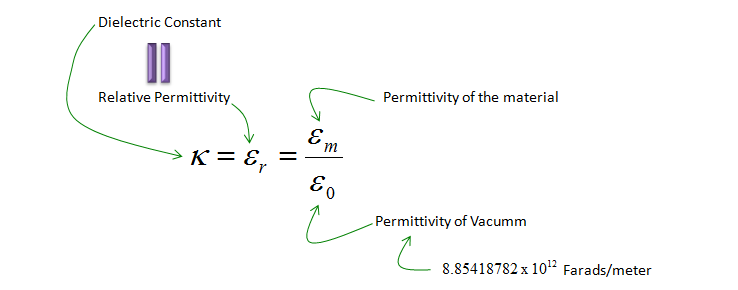
Typical dielectric constant values:
• Alumina: 9–10
• Aluminum nitride: 9
• Zirconia: 29
• Silicon nitride: 8-9
A stable dielectric constant is essential for RF substrates, sensor components, and signal integrity control.
4. Dielectric Loss
Dielectric loss (tan δ) indicates energy dissipation within a dielectric material when subjected to alternating electric fields.
Low dielectric loss is important for:
• High-frequency circuits
• Microwave systems
• RF modules
Technical ceramic materials with low dielectric loss provide stable performance in high-frequency electronic systems.
Electrical Performance of Major Technical Ceramic Materials
Alumina (Al₂O₃)
Alumina is one of the most widely used insulating ceramics due to its balanced electrical properties of technical ceramics, good dielectric strength, and stable resistivity across a broad temperature range.
Common applications:
• Ceramic substrates
• Insulators
• Fuse bodies
• High-voltage components
👉 More details on our Alumina Ceramicpage.
Aluminum Nitride (AlN)
Aluminum nitride combines high electrical insulation with very high thermal conductivity, making it ideal for power electronics and thermal management systems.
• Common applications:
• IGBT substrates
• LED heat spreaders
• Power modules
👉 See Aluminum Nitride Ceramic for detailed specifications.
Silicon Nitride (Si₃N₄)
Silicon nitride offers excellent insulation combined with superior mechanical reliability. It is widely used in high-reliability power modules and automotive electronics.
👉 See Silicon Nitride Ceramic for detailed specifications.
Zirconia (ZrO₂)
Zirconia provides moderate electrical insulation and is typically selected when mechanical toughness is more critical than dielectric performance.
👉 See Zirconia Ceramic for detailed specifications.
Relationship to Other Ceramic Property Categories
While this page focuses on electrical properties of technical ceramics, material selection also depends on:
• Mechanical properties of ceramics (strength, toughness)
• Physical properties (thermal expansion, thermal conductivity, density)
• Chemical resistance
For comprehensive evaluation, review:
👉 Mechanical Properties of Ceramics
👉 Physical Properties of Technical Ceramics
👉 Applications of Technical Ceramics
Together, these property categories define the complete performance profile of advanced ceramic materials.
Conclusion
The electrical properties of technical ceramics — including electrical resistivity, dielectric strength, dielectric constant, and dielectric loss — enable reliable insulation and signal control in high-performance electronic systems.By carefully evaluating voltage conditions, frequency requirements, and thermal constraints, engineers can select ceramic materials that ensure long-term electrical reliability and system stability.