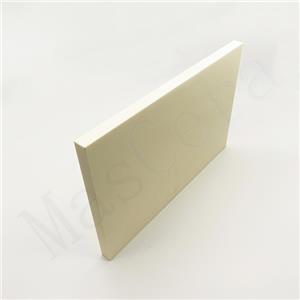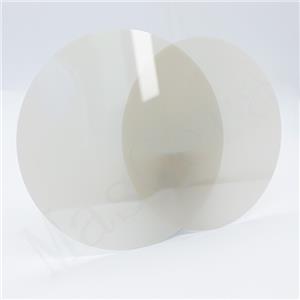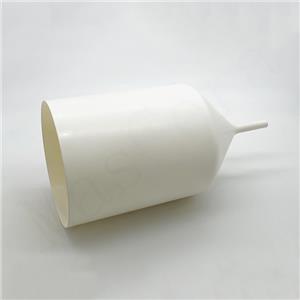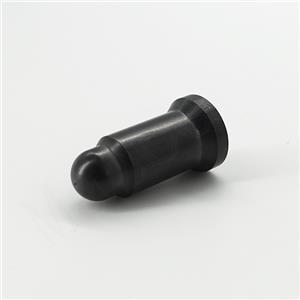
What are technical ceramics?
Technical ceramics, also known as engineering ceramics or advanced ceramics, are high-performance ceramic materials specifically developed for demanding industrial and electronic applications. Unlike traditional ceramics used for decorative or household purposes, technical ceramics are engineered to deliver superior mechanical strength, thermal stability, electrical insulation, and chemical resistance under extreme operating conditions.
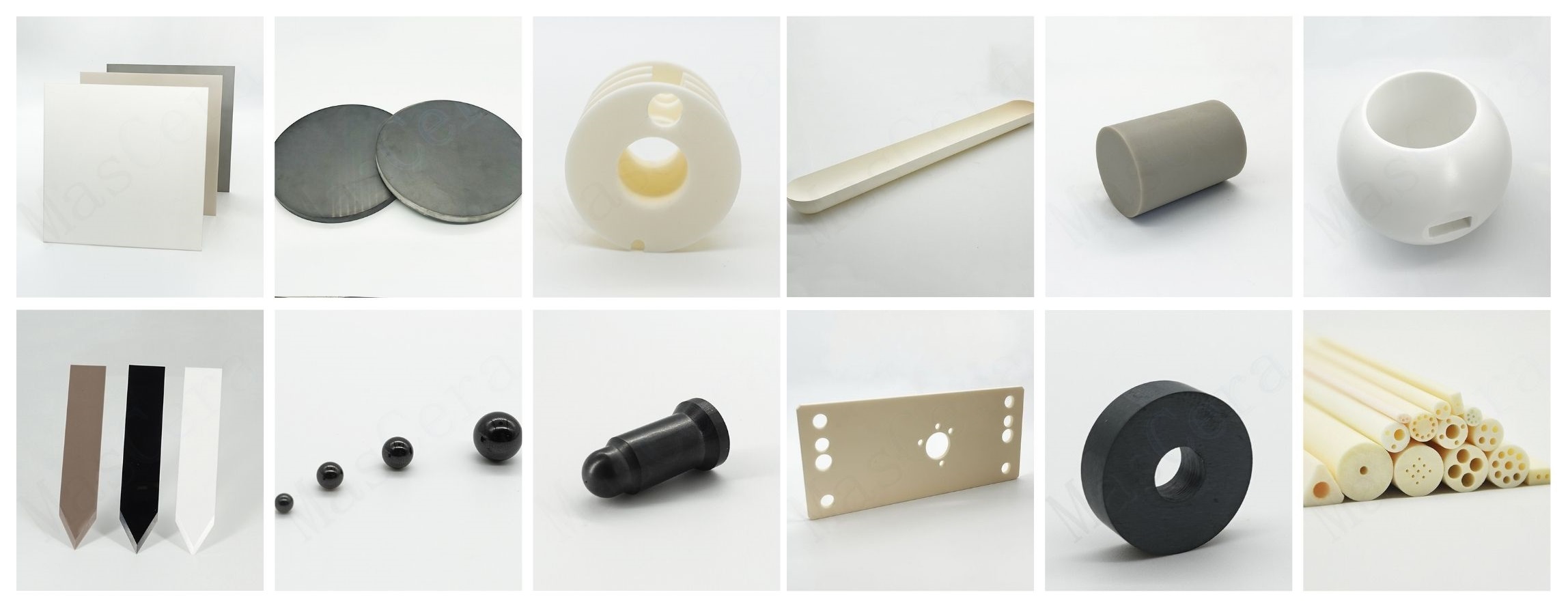
If you are looking for a comprehensive overview of technical ceramic material systems, manufacturing technologies, and custom engineering capabilities, please visit our Technical Ceramics Overview page.
Definition of Technical Ceramics
Technical ceramics are inorganic, non-metallic materials manufactured through controlled powder processing and high-temperature sintering. They are designed primarily for performance rather than appearance.
Unlike conventional pottery or structural ceramics, technical ceramics are engineered with tightly controlled microstructures to achieve specific mechanical, thermal, or electrical properties. Their development has been driven by the increasing demands of modern industries, including electronics, automotive systems, semiconductor manufacturing, and high-temperature processing.
Key Characteristics of Technical Ceramics
Technical ceramics are widely used because of their unique property combination:
• High hardness and wear resistance
• Excellent compressive strength
• Superior high-temperature stability
• Electrical insulation capability
• Strong resistance to corrosion and oxidation
• Dimensional stability under thermal stress
These properties enable technical ceramics to operate reliably in environments where metals or polymers may fail.
Technical Ceramics vs Traditional Ceramics
Although both belong to the ceramic family, their purposes and performance levels differ significantly.
| Feature | Traditional Ceramics | Technical Ceramics |
Primary Use | Decorative / Structural | Engineering Applications |
Mechanical Strength | Moderate | High |
Temperature Resistance | Limited | Extreme |
Precision | Low | High |
| Property Control | Basic | Highly Engineere |
Traditional ceramics are typically used in tiles, pottery, and construction materials. Technical ceramics, on the other hand, are precision-engineered for demanding industrial applications.
Common Types of Technical Ceramics
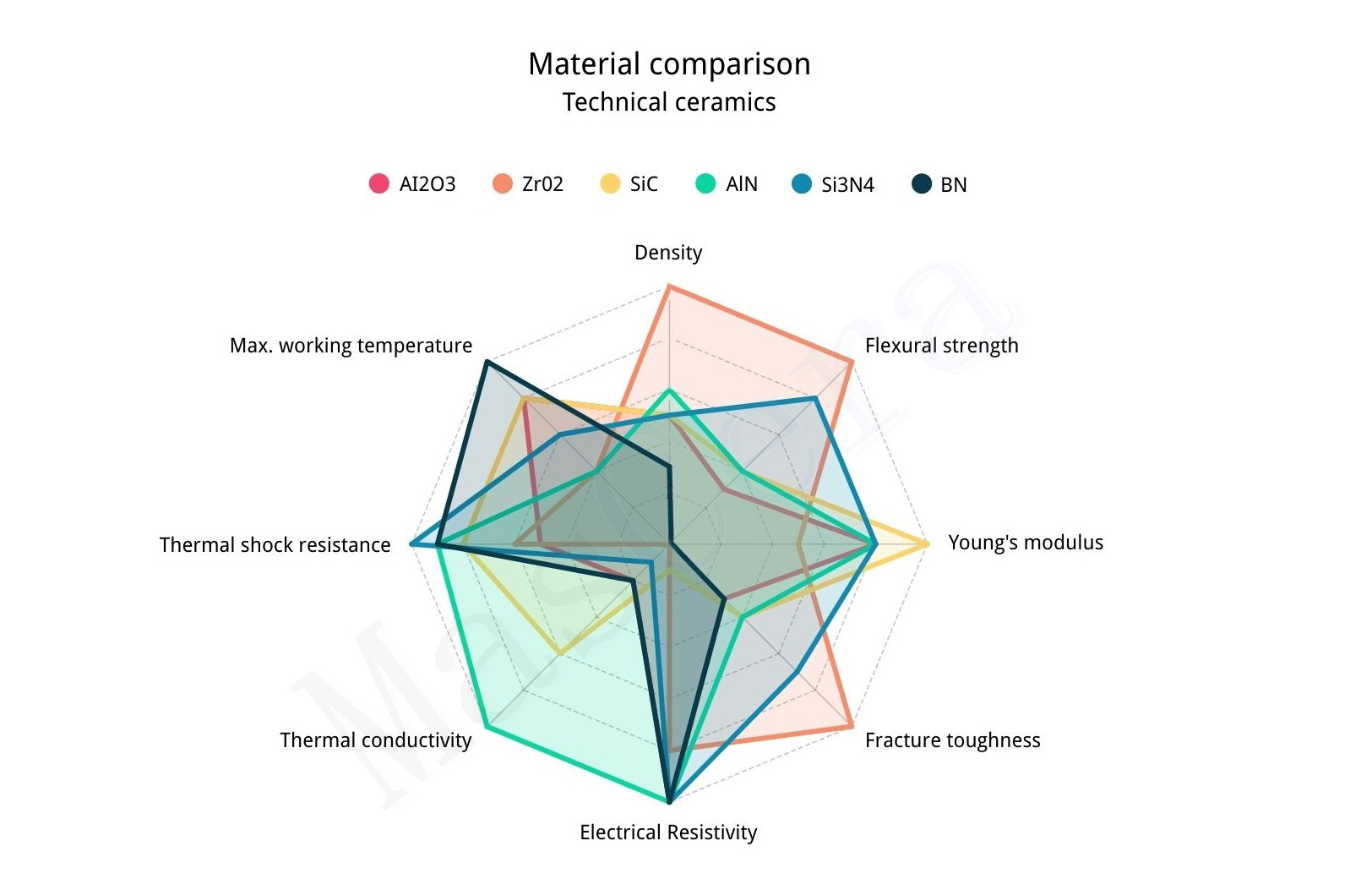
Several material systems are commonly classified as technical ceramics:
Alumina (Al₂O₃)
One of the most widely used technical ceramics, alumina offers excellent hardness, wear resistance, and electrical insulation.
Zirconia (ZrO₂)
Known for its high fracture toughness and strength, zirconia provides enhanced mechanical reliability compared to many other ceramic materials.
Aluminum Nitride (AlN)
Aluminum nitride combines high thermal conductivity with electrical insulation, making it suitable for thermal management applications.
Silicon Nitride (Si₃N₄)
This material offers strong thermal shock resistance and high mechanical strength.
Silicon Carbide (SiC)
Silicon carbide provides exceptional hardness and high-temperature stability.
Boron Nitride (BN)
Certain grades of boron nitride offer thermal stability and specialized properties such as low wettability to molten metals.
For detailed material classifications and performance comparisons, refer to our Technical Ceramics Overview page.
Industrial Applications of Technical Ceramics
Technical ceramics are widely used in power electronics, semiconductor equipment, automotive systems, industrial machinery, high-temperature processing, and precision engineering environments where strength, insulation, and thermal stability are critical.
Advantages of Technical Ceramics Over Metals and Polymers
In many industrial environments, technical ceramics offer advantages compared to traditional engineering materials:
• Superior wear resistance
• High temperature capability without deformation
• Electrical insulation properties
• Resistance to corrosion and oxidation
• Stable mechanical performance under thermal cycling
However, ceramics may require careful design considerations due to their brittleness and machining complexity.
Are Technical Ceramics Brittle?
Ceramics are generally more brittle than metals due to their atomic bonding structure. However, not all technical ceramics behave the same way. Materials such as zirconia exhibit improved fracture toughness compared to conventional ceramics.
Proper material selection and design optimization can significantly reduce the risk of fracture in demanding applications.
Can Technical Ceramics Be Machined?
Yes. Although technical ceramics are extremely hard after sintering, precision machining is possible using specialized grinding and diamond tooling processes. Machining enables tight tolerance control and custom geometries for industrial components.
For detailed information about manufacturing and machining processes, please refer to our dedicated Technical Ceramics page.
Frequently Asked Questions
What industries use technical ceramics?
Technical ceramics are widely used in electronics, semiconductor equipment, automotive systems, industrial machinery, and high-temperature processing environments.
What is the strongest technical ceramic?
Silicon nitride and zirconia are known for high mechanical strength and toughness, depending on application requirements.
Which technical ceramic has the highest thermal conductivity?
Aluminum nitride is widely recognized for combining high thermal conductivity with electrical insulation.
Are technical ceramics resistant to corrosion?
Yes, many technical ceramics provide strong resistance to acids, alkalis, and oxidation.
Conclusion
Technical ceramics represent a critical class of advanced engineering materials designed for performance under extreme mechanical, thermal, and chemical conditions. With their unique property combination, they enable reliable operation in modern industrial systems where conventional materials may fail.
To explore comprehensive material systems, manufacturing capabilities, and application guidance, please visit our Technical Ceramics Overview page.