High-Quality Technical Ceramics: How to Source from a Reliable Factory
Technical ceramics are advanced ceramic materials engineered for specific functional applications, offering exceptional mechanical, thermal, electrical, and chemical properties. Unlike traditional ceramics, these materials are designed to withstand extreme conditions, making them indispensable in industries such as aerospace, automotive, medical, electronics, and energy. The demand for high-quality technical ceramics has surged, and sourcing from a reliable factory is critical to ensure performance, consistency, and cost-effectiveness.
When seeking a high-quality technical ceramics source factory, several factors come into play. These include material expertise, manufacturing capabilities, quality control systems, customization options, and lead times. A factory that excels in these areas can provide components that meet tight tolerances, complex geometries, and stringent performance requirements. This article delves into these aspects, offering a comprehensive guide for B2B buyers, engineers, and procurement specialists.
Understanding Technical Ceramics
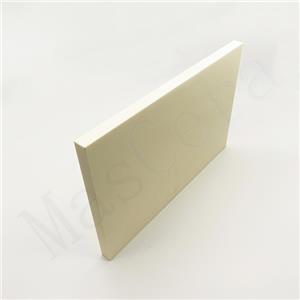
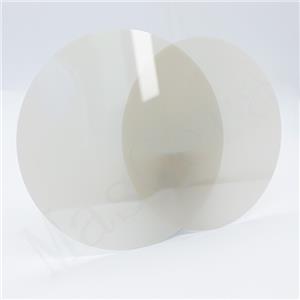
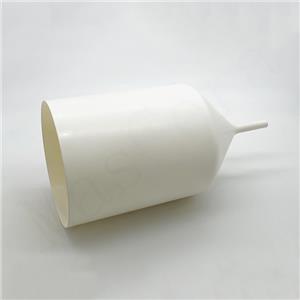
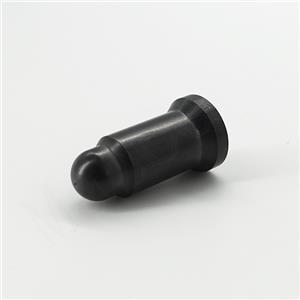
Technical ceramics, also known as advanced or engineering ceramics, are inorganic, non-metallic materials processed at high temperatures. They exhibit superior hardness, wear resistance, corrosion resistance, and thermal stability. Common types include alumina (Al2O3), zirconia (ZrO2), silicon nitride (Si3N4), silicon carbide (SiC), boron nitride (BN), and aluminum nitride (AlN). Each material has unique properties tailored to specific applications. For instance, alumina offers excellent electrical insulation and mechanical strength, while zirconia provides high fracture toughness and thermal shock resistance. Silicon nitride is renowned for its high-temperature strength and thermal shock resistance, making it ideal for engine components. Silicon carbide excels in abrasion and corrosion resistance, and aluminum nitride is prized for its high thermal conductivity in electronics.
Key Properties and Benefits
The benefits of technical ceramics are numerous. They are lightweight yet strong, resistant to wear, and can operate at temperatures exceeding 1000°C. Their electrical and thermal properties can be tailored, making them suitable for insulators, substrates, and heat sinks. Additionally, they are chemically inert, which is crucial for medical implants and chemical processing equipment. These properties translate into longer component life, reduced maintenance, and improved system efficiency. For example, ceramic bearings outperform steel bearings in high-speed and high-temperature environments, while ceramic cutting tools offer extended tool life and faster machining speeds.
Applications Across Industries
Technical ceramics are used in a wide range of industries. In aerospace, they are used for turbine blades, heat shields, and sensors. The automotive industry relies on them for oxygen sensors, fuel injectors, and brake components. Medical applications include hip implants, dental restorations, and surgical instruments. In electronics, they serve as substrates, capacitors, and insulators. The energy sector uses them for fuel cells, nuclear reactors, and solar panels. Additionally, they are found in semiconductor manufacturing equipment, telecommunications devices, and chemical processing plants. The versatility of technical ceramics makes them a cornerstone of modern technology.
Criteria for Selecting a Source Factory
Choosing the right factory is paramount. Key criteria include:
- Material Expertise: The factory should offer a broad range of materials and understand their properties and processing.
- Manufacturing Capabilities: Advanced processes like dry pressing, isostatic pressing, injection molding, and tape casting are essential. High-precision machining such as grinding, lapping, and polishing ensures accuracy and surface finish.
- Quality Control: Adherence to international standards like ISO 9001:2015 and a robust inspection system are non-negotiable.
- Customization: The ability to produce custom shapes, dimensions, and tolerances for both prototypes and mass production.
- Lead Time and Responsiveness: Prompt communication and reliable delivery schedules are critical for project timelines.
Case Study: XIAMEN MASCERA TECHNOLOGY CO.,LTD.
One exemplary source factory is XIAMEN MASCERA TECHNOLOGY CO.,LTD., a China-based supplier specializing in custom manufacturing of technical ceramic components. They offer a comprehensive range of high-performance materials, including alumina, zirconia, silicon nitride, silicon carbide, boron nitride, and aluminum nitride. Their production lines cover molding, sintering, high-precision machining, and quality inspection, ensuring full density, accurate dimensions, and controlled surface finish.
Mascera is certified under ISO9001:2015, reflecting their commitment to quality. Their qualified rate exceeds 99%, and they respond to inquiries within 24 hours. Since their foundation, they have exported to more than 30 countries, serving industries such as machinery, automotive, chemistry, medical, energy, electronics, semiconductor, aerospace, and telecommunications. Their expertise in material properties and machining techniques enables them to provide optimal solutions from prototype development to mass production.
Quality Assurance and Certifications
Quality is the bedrock of technical ceramics. A reliable factory implements rigorous quality control at every stage, from raw material inspection to final dimensional checks. Certifications like ISO 9001:2015 demonstrate a commitment to consistent quality management. Additionally, factories may employ advanced inspection tools such as CMM (Coordinate Measuring Machines), surface testers, and material analyzers. Mascera's quality system ensures that every component meets specifications, reducing the risk of field failures.
Customization and Engineering Support
Technical ceramics often require custom solutions. Whether it's a unique shape, tight tolerance, or specific surface finish, the factory should offer engineering support to optimize designs for manufacturability. Mascera provides custom manufacturing services, working closely with clients to develop components that meet exact requirements. Their team can advise on material selection, design adjustments, and process improvements, ensuring cost-effective and high-performance outcomes.
Production Technologies
Modern factories employ a variety of shaping and sintering techniques. Dry pressing is suitable for simple shapes, while isostatic pressing enables complex geometries. Injection molding allows for high-volume production of intricate parts, and tape casting produces thin sheets for electronic substrates. After sintering, high-precision machining such as grinding, lapping, and polishing achieves tight tolerances and smooth surfaces. Mascera integrates these technologies to deliver components with excellent dimensional accuracy and surface quality.
Prototype to Mass Production
A key advantage of working with a dedicated source factory is the seamless transition from prototyping to mass production. This requires scalable processes, consistent quality, and efficient supply chain management. Mascera supports clients through all stages, from initial concept and prototyping to full-scale production. Their ability to maintain quality while scaling up is a testament to their robust manufacturing systems.
Cost Considerations
Cost is a significant factor in sourcing technical ceramics. Factors influencing cost include material type, complexity, tolerances, and volume. A reliable factory provides transparent pricing and works to optimize designs to reduce costs without compromising quality. By leveraging their expertise, clients can achieve cost-effective solutions. Mascera is dedicated to providing optimal and cost-effective solutions, ensuring value for money.
Lead Times and Supply Chain
Timely delivery is crucial for project success. A reputable factory maintains efficient production planning and inventory management to meet deadlines. Mascera emphasizes quick response times and prompt lead times, ensuring that clients receive their components when needed. Their global export experience ensures reliable logistics and customs handling.
Contact Information
For inquiries or more information about high-quality technical ceramics, contact XIAMEN MASCERA TECHNOLOGY CO.,LTD. Email: info@mascera-tec.com, Phone: +86-592-5530093. Their team is ready to assist with your specific requirements.
Conclusion
Sourcing high-quality technical ceramics requires careful evaluation of factory capabilities. By focusing on material expertise, manufacturing processes, quality control, and customization, you can ensure reliable performance. XIAMEN MASCERA TECHNOLOGY CO.,LTD. exemplifies these qualities, making them a trusted partner for technical ceramic components. For your next project, consider partnering with a factory that prioritizes quality, innovation, and customer satisfaction.