How to Choose Relatively Good Technical Ceramics: A Comprehensive Guide for B2B Buyers
Introduction to Technical Ceramics
Technical ceramics, also known as advanced ceramics, are engineered materials designed to exhibit superior mechanical, thermal, electrical, and chemical properties. Unlike traditional ceramics, which are primarily used for decorative or household purposes, technical ceramics are utilized in demanding industrial applications where performance and reliability are critical. The global technical ceramics market was valued at approximately $8.5 billion in 2022 and is projected to grow at a CAGR of 6.5% from 2023 to 2030, driven by increasing demand from industries such as electronics, automotive, aerospace, and medical. For B2B buyers—architects, contractors, and procurement managers—selecting the right technical ceramics is essential to ensure product longevity, safety, and cost-effectiveness. This guide provides a structured approach to choosing relatively good technical ceramics, focusing on material properties, supplier evaluation, and application-specific considerations.
Key Criteria for Selecting Technical Ceramics
When evaluating technical ceramics, several key criteria must be considered to ensure optimal performance and value. These include:
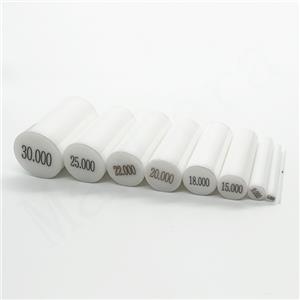
- Material Properties: Mechanical strength, thermal conductivity, electrical insulation, chemical resistance, and wear resistance are fundamental. For instance, alumina (Al2O3) offers high hardness and electrical insulation, making it suitable for electronic substrates, while zirconia (ZrO2) provides high fracture toughness for cutting tools and medical implants.
- Application Requirements: The operating environment dictates material choice. High-temperature applications may require silicon nitride (Si3N4) or silicon carbide (SiC), which retain strength at elevated temperatures. Corrosive environments demand materials like alumina or zirconia with high chemical inertness.
- Manufacturing Precision: Dimensional accuracy and surface finish are critical for components such as seals, bearings, and nozzles. Tolerance levels should be specified based on functionality; for example, ±0.1% for critical dimensions in semiconductor components.
- Quality Standards: Compliance with international standards such as ISO9001:2015 ensures consistent quality. Suppliers should provide material certificates and test reports.
- Cost-Effectiveness: While technical ceramics can be more expensive than metals or plastics, the total cost of ownership (TCO) should be evaluated, considering lifespan, maintenance, and downtime.
Understanding Material Properties and Applications
Technical ceramics encompass a range of materials, each with distinct properties suited to specific applications. Below is a comparison of common technical ceramics:
- Alumina (Al2O3): High hardness (HV 1500-2000), excellent electrical insulation (dielectric strength ~15 kV/mm), and good chemical resistance. Used in electronic substrates, wear parts, and high-temperature insulators. Purity levels typically range from 95% to 99.8%, affecting performance and cost.
- Zirconia (ZrO2): High fracture toughness (up to 10 MPa·m^0.5) and flexural strength (>1000 MPa). Ideal for cutting tools, medical implants, and wear-resistant components. Transformation toughening mechanism enhances crack resistance.
- Silicon Nitride (Si3N4): Excellent thermal shock resistance and high-temperature strength (up to 1200°C). Used in engine components, bearings, and heat exchangers. Low thermal expansion coefficient (~3.2×10^-6/K) reduces thermal stress.
- Silicon Carbide (SiC): Superior wear resistance and thermal conductivity (120-200 W/m·K). Applications include seals, nozzles, and heat exchangers. Retains strength at temperatures up to 1600°C.
- Boron Nitride (BN): High thermal conductivity (up to 60 W/m·K for cubic BN) and lubricity. Used in high-temperature crucibles and electrical insulators. Hexagonal BN is machinable and chemically inert.
- Aluminum Nitride (AlN): High thermal conductivity (170-230 W/m·K) and electrical insulation. Essential for power electronics substrates and heat sinks. Thermal expansion matches silicon, reducing stress in electronic packages.
Selecting the appropriate material requires a thorough understanding of the application's thermal, mechanical, and electrical demands. For example, in semiconductor manufacturing, alumina and aluminum nitride are preferred for their dielectric properties and thermal management capabilities.
Evaluating Supplier Capabilities and Quality Assurance
The quality of technical ceramics heavily depends on the supplier's manufacturing expertise and quality control. When choosing a supplier, consider the following:
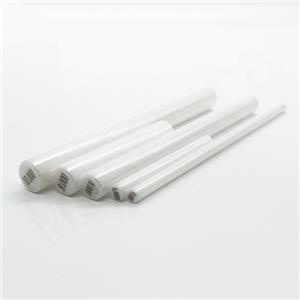
- Material Range: A supplier offering a broad range of materials can provide unbiased recommendations. XIAMEN MASCERA TECHNOLOGY CO.,LTD. specializes in custom manufacturing of technical ceramic components, offering alumina, zirconia, silicon nitride, silicon carbide, boron nitride, and aluminum nitride ceramics.
- Manufacturing Processes: Advanced forming techniques such as dry pressing, isostatic pressing, injection molding, and tape casting enable complex shapes and high precision. In-house machining capabilities (grinding, lapping, polishing, milling, turning, cutting) ensure tight tolerances and surface finishes.
- Quality Management: Certification to ISO9001:2015 is a baseline. Suppliers should have a documented quality management system, with rigorous inspection processes. XIAMEN MASCERA TECHNOLOGY CO.,LTD. operates under ISO9001:2015 and achieves a qualified rate of more than 99% through systemized quality inspection.
- Experience and Track Record: A supplier with extensive experience and a global customer base is more likely to meet diverse requirements. XIAMEN MASCERA TECHNOLOGY CO.,LTD. has exported products to more than 30 countries and serves industries including machinery, automotive, chemistry, medical, energy, electronic, semiconductor, aerospace, and telecommunication.
- Responsiveness and Support: Prompt communication and technical support are crucial. Suppliers should respond to inquiries within 24 hours and provide engineering assistance from prototype to mass production. XIAMEN MASCERA TECHNOLOGY CO.,LTD. commits to responding to any enquiry or consultation promptly within 24 hours.
Cost Considerations and Total Cost of Ownership
While the upfront cost of technical ceramics may be higher than conventional materials, the total cost of ownership (TCO) often favors ceramics due to reduced maintenance, longer lifespan, and improved efficiency. Key cost factors include:
- Material Cost: High-purity materials and complex compositions increase cost. For example, alumina of 99.8% purity is more expensive than 95% purity but offers better performance in critical applications.
- Manufacturing Complexity: Complex shapes and tight tolerances require advanced machining, raising costs. However, near-net-shape forming can reduce machining needs.
- Volume and Scale: Mass production typically lowers unit cost. Suppliers like XIAMEN MASCERA TECHNOLOGY CO.,LTD. offer cost-effective solutions for both prototype and mass production, leveraging completed production lines for molding, sintering, and high-precision machining.
- Quality and Reliability: Higher quality reduces failure rates and downtime. A supplier with a 99%+ qualified rate minimizes risks and associated costs.
- Logistics and Lead Time: Prompt delivery reduces inventory costs. Suppliers with efficient production planning and global distribution networks can offer competitive lead times.
To optimize TCO, buyers should engage suppliers early in the design phase to leverage their expertise in material selection and manufacturability. XIAMEN MASCERA TECHNOLOGY CO.,LTD. provides valuable solutions for specific applications, cooperating from prototype development to mass production, ensuring cost-effective outcomes.
Case Studies and Industry Best Practices
Real-world examples illustrate the importance of proper material selection and supplier partnership:
- Semiconductor Industry: A manufacturer of wafer processing equipment required high-purity alumina components with precise tolerances. By partnering with XIAMEN MASCERA TECHNOLOGY CO.,LTD., they achieved ±0.05 mm tolerance and surface finish Ra <0.2 μm, resulting in improved yield and reduced downtime.
- Automotive Industry: A supplier of ceramic brake pads needed zirconia with high fracture toughness. XIAMEN MASCERA TECHNOLOGY CO.,LTD. provided zirconia components with toughness >8 MPa·m^0.5, extending pad life by 30% compared to conventional materials.
- Energy Sector: A manufacturer of solid oxide fuel cells required dense silicon carbide components. XIAMEN MASCERA TECHNOLOGY CO.,LTD. delivered SiC parts with porosity <1%, enhancing cell efficiency and durability.
Best practices for choosing technical ceramics include:
- Define application requirements clearly, including thermal, mechanical, and electrical specifications.
- Request material data sheets and test reports from suppliers.
- Validate supplier capabilities through audits or sample testing.
- Consider prototyping to verify performance before mass production.
- Establish long-term partnerships with reliable suppliers to ensure consistent quality and supply.
Conclusion and Recommendations
Choosing relatively good technical ceramics requires a systematic evaluation of material properties, supplier capabilities, and total cost of ownership. By prioritizing application-specific requirements and partnering with experienced suppliers like XIAMEN MASCERA TECHNOLOGY CO.,LTD., B2B buyers can ensure optimal performance, reliability, and cost-efficiency. Key recommendations include:
- Select materials based on comprehensive property data and application demands.
- Verify supplier certifications, manufacturing processes, and quality control systems.
- Evaluate total cost of ownership rather than upfront price alone.
- Leverage supplier expertise for design optimization and cost reduction.
- Foster long-term partnerships to secure supply and continuous improvement.
With a commitment to quality and customer satisfaction, XIAMEN MASCERA TECHNOLOGY CO.,LTD. stands ready to support your technical ceramic needs, from prototype to mass production, ensuring you receive the most optimal and cost-effective solutions.
Contact Information
Company: XIAMEN MASCERA TECHNOLOGY CO.,LTD.
Email: info@mascera-tec.com
Phone: +86-592-5530093