How to Select Well-Known Technical Ceramics
Introduction to Technical Ceramics
Technical ceramics, also known as advanced ceramics, are a class of materials engineered to exhibit superior mechanical, thermal, electrical, and chemical properties. Unlike traditional ceramics, which are primarily used for decorative or household purposes, technical ceramics are designed for demanding industrial applications. They are characterized by high strength, hardness, wear resistance, corrosion resistance, and the ability to withstand extreme temperatures. These materials are essential in industries such as aerospace, automotive, electronics, medical, energy, and semiconductor manufacturing.
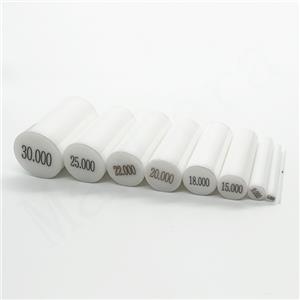
Selecting the right technical ceramics for a specific application is a critical decision that can significantly impact product performance, reliability, and lifespan. With numerous types of technical ceramics available, each with distinct properties, it is essential to understand the key factors involved in the selection process. This article provides a comprehensive guide on how to select well-known technical ceramics, focusing on material properties, manufacturing quality, supplier evaluation, and cost considerations.
Key Criteria for Selecting Technical Ceramics
When selecting technical ceramics, several criteria must be evaluated to ensure optimal performance and cost-effectiveness. These criteria include:
- Application Requirements: Understand the specific demands of the application, such as temperature, load, chemical exposure, electrical insulation, and wear resistance.
- Material Properties: Compare the mechanical, thermal, electrical, and chemical properties of different ceramic materials.
- Manufacturing Quality: Assess the supplier's manufacturing capabilities, quality control systems, and ability to produce complex shapes with tight tolerances.
- Supplier Reliability: Evaluate the supplier's reputation, experience, and track record in delivering high-quality technical ceramics.
- Cost: Consider the total cost of ownership, including material cost, manufacturing cost, and lifecycle cost.
Each of these criteria is discussed in detail in the following sections.
Material Properties and Performance
The performance of technical ceramics is determined by their material properties. Common technical ceramic materials include alumina (Al2O3), zirconia (ZrO2), silicon nitride (Si3N4), silicon carbide (SiC), boron nitride (BN), and aluminum nitride (AlN). Each material offers a unique combination of properties, making it suitable for specific applications.
Alumina Ceramic: Alumina is one of the most widely used technical ceramics due to its excellent electrical insulation, high hardness, and good wear resistance. It is available in various purity levels (e.g., 96%, 99%, 99.5%), with higher purity offering better mechanical and electrical properties. Alumina is commonly used in electronic substrates, wear components, and chemical processing equipment.
Zirconia Ceramic: Zirconia exhibits high fracture toughness and strength, making it ideal for applications requiring high mechanical stress. It also has good thermal insulation and corrosion resistance. Zirconia is often used in cutting tools, medical implants, and automotive components.
Silicon Nitride Ceramic: Silicon nitride offers excellent thermal shock resistance, high strength, and low thermal expansion. It is particularly suitable for high-temperature applications such as engine components, bearings, and heat exchangers.
Silicon Carbide Ceramic: Silicon carbide is known for its high hardness, thermal conductivity, and corrosion resistance. It is used in abrasive applications, semiconductor processing, and high-temperature structural components.
Boron Nitride Ceramic: Boron nitride has unique properties, including high thermal conductivity, electrical insulation, and lubricity. It is used in high-temperature crucibles, heat sinks, and solid lubricants.
Aluminum Nitride Ceramic: Aluminum nitride has high thermal conductivity and electrical insulation, making it ideal for electronic substrates and heat spreaders in power electronics.
When selecting a material, it is crucial to consider the specific requirements of the application. For example, if electrical insulation is paramount, alumina or aluminum nitride may be the best choice. If high fracture toughness is needed, zirconia is preferred. If thermal shock resistance is critical, silicon nitride is suitable.
Manufacturing and Quality Control
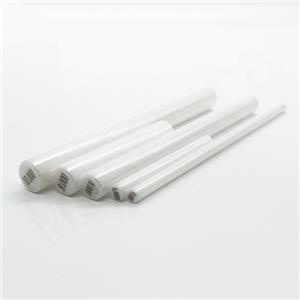
The manufacturing process significantly influences the quality and reliability of technical ceramics. Well-known technical ceramics are produced by suppliers with robust manufacturing capabilities and stringent quality control systems. Key manufacturing technologies include:
- Molding: Dry pressing, isostatic pressing, injection molding, and tape casting are used to form ceramic components.
- Sintering: High-temperature sintering densifies the ceramic body and achieves the desired microstructure.
- Machining: Precision machining processes such as grinding, lapping, polishing, milling, turning, and cutting are employed to achieve tight tolerances and surface finishes.
- Quality Inspection: Dimensional inspection, non-destructive testing, and material property testing ensure that the components meet specifications.
Suppliers with ISO9001:2015 certification demonstrate a commitment to quality management. A qualified rate of more than 99% indicates a high level of process control and reliability. When selecting a supplier, it is important to inquire about their manufacturing capabilities, quality control procedures, and continuous improvement practices.
Supplier Evaluation and Partnership
Choosing the right supplier is as important as choosing the right material. A well-known technical ceramics supplier should possess the following attributes:
- Expertise and Experience: A supplier with extensive experience in technical ceramics can provide valuable insights and recommendations for material selection and design.
- Custom Manufacturing Capabilities: The ability to produce custom shapes, dimensions, and surface finishes is essential for meeting specific application requirements.
- Quick Response Time: Prompt communication and short lead times are critical for project success.
- Global Reach: Suppliers with export experience to multiple countries can navigate international logistics and standards.
- Partnership Approach: A supplier that collaborates closely with customers from prototype development to mass production can ensure a smooth transition and consistent quality.
XIAMEN MASCERA TECHNOLOGY CO.,LTD. is an example of a well-known technical ceramics supplier that meets these criteria. As a China-based supplier specializing in custom manufacturing of technical ceramic components, Mascera offers a broad range of high-performance ceramic materials, including alumina, zirconia, silicon nitride, silicon carbide, boron nitride, and aluminum nitride. The company has completed production lines for molding, sintering, high-precision machining, and quality inspection. Mascera is ISO9001:2015 certified and boasts a qualified rate of more than 99%. With products exported to more than 30 countries, Mascera has built faithful partnerships with customers worldwide. Their expertise in material properties and machining techniques enables them to provide valuable solutions for specific applications, from prototype to mass production.
Cost Considerations and Total Cost of Ownership
While the initial cost of technical ceramics may be higher than that of metals or polymers, the total cost of ownership (TCO) often favors ceramics due to their superior performance and longevity. When evaluating cost, consider the following factors:
- Material Cost: The cost of raw materials varies depending on the type and purity of the ceramic.
- Manufacturing Cost: Complex shapes and tight tolerances increase manufacturing cost. However, advances in near-net-shape forming and precision machining can reduce costs.
- Lifecycle Cost: Technical ceramics often last longer and require less maintenance, leading to lower lifecycle costs. For example, ceramic bearings in harsh environments can outlast steel bearings by a factor of 10 or more.
- Performance Benefits: Improved efficiency, reduced downtime, and enhanced product quality can offset higher initial costs.
It is advisable to work with a supplier that can provide cost-effective solutions without compromising quality. Suppliers like Mascera offer multiple material options and custom manufacturing services to optimize cost and performance.
Case Studies and Industry Applications
Technical ceramics are used in a wide range of industries. Here are some examples of how well-known technical ceramics have been successfully applied:
- Aerospace: Silicon nitride and silicon carbide components are used in turbine engines and thermal protection systems due to their high-temperature strength and thermal shock resistance.
- Automotive: Zirconia and alumina ceramics are used in oxygen sensors, catalytic converters, and wear parts. Silicon nitride is used in turbocharger rotors and rocker arm pads.
- Electronics: Alumina and aluminum nitride substrates are essential for power electronics and LED packaging due to their electrical insulation and thermal conductivity.
- Medical: Zirconia is used in dental implants and hip replacements because of its biocompatibility and high strength. Alumina is used in laboratory equipment and wear-resistant components.
- Energy: Silicon carbide is used in nuclear fuel cladding and concentrated solar power receivers. Boron nitride is used in high-temperature insulators.
- Semiconductor: Alumina, silicon carbide, and aluminum nitride are used in wafer handling components, plasma etch chambers, and heat sinks.
These case studies demonstrate the versatility and performance of technical ceramics. By selecting the right material and supplier, companies can achieve significant improvements in product performance and reliability.
Future Trends in Technical Ceramics
The field of technical ceramics is continuously evolving. Key trends include:
- Advanced Materials: Development of new ceramic compositions and composites with enhanced properties, such as higher toughness or multifunctionality.
- Additive Manufacturing: 3D printing of ceramics enables complex geometries and customized designs, reducing lead times and costs.
- Nanostructured Ceramics: Nanoscale engineering of ceramic microstructures can lead to improved mechanical and functional properties.
- Sustainability: Efforts to reduce energy consumption and waste in ceramic manufacturing, as well as the development of recyclable ceramics.
- Integration with Digital Technologies: Smart ceramics with embedded sensors for condition monitoring and self-diagnosis.
Staying abreast of these trends can help companies leverage the latest advancements in technical ceramics for competitive advantage.
Conclusion
Selecting well-known technical ceramics requires a systematic approach that considers application requirements, material properties, manufacturing quality, supplier reliability, and cost. By understanding the characteristics of different ceramic materials and evaluating suppliers based on their expertise, capabilities, and quality systems, companies can make informed decisions that lead to optimal performance and cost-effectiveness. Partnering with a reputable supplier like XIAMEN MASCERA TECHNOLOGY CO.,LTD. can provide access to high-quality technical ceramics and expert support throughout the product lifecycle.
For further information or to discuss your specific requirements, please contact us.
Contact Information
Company: XIAMEN MASCERA TECHNOLOGY CO.,LTD.
Email: info@mascera-tec.com
Phone: +86-592-5530093