Regular Technical Ceramics: A Comprehensive Guide for B2B Professionals
Introduction to Regular Technical Ceramics
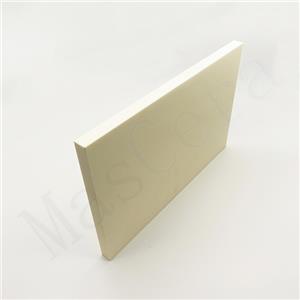
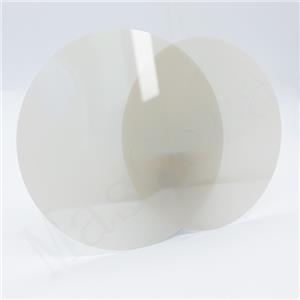
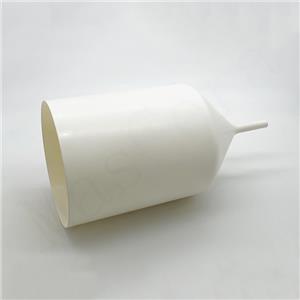
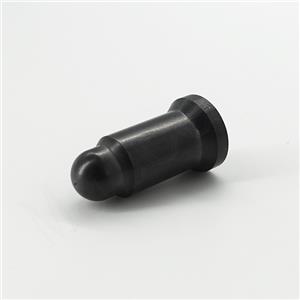
Regular technical ceramics, often referred to as advanced ceramics or engineering ceramics, are a class of materials engineered to exhibit superior mechanical, thermal, electrical, and chemical properties compared to traditional ceramics. Unlike conventional ceramics used in pottery or construction, regular technical ceramics are manufactured with precise control over composition, microstructure, and shape to meet specific performance requirements in demanding applications. These materials are integral to modern industries, including aerospace, automotive, electronics, medical, and energy, where reliability and durability are paramount. For B2B professionals such as architects, contractors, and procurement managers, understanding the nuances of regular technical ceramics is essential for selecting the right materials for their projects. This article provides a comprehensive overview of regular technical ceramics, covering their properties, manufacturing processes, quality standards, applications, and supplier selection, with a focus on data-driven insights and practical guidance.
Key Properties and Material Types
Regular technical ceramics are characterized by a unique combination of properties that make them suitable for extreme environments. These include high hardness, excellent wear resistance, low density, high temperature stability, corrosion resistance, and tailored electrical insulation or conductivity. The most commonly used materials in this category are alumina (Al2O3), zirconia (ZrO2), silicon nitride (Si3N4), silicon carbide (SiC), boron nitride (BN), and aluminum nitride (AlN). Each material offers distinct advantages: alumina is known for its high hardness and electrical insulation, zirconia for its high fracture toughness and thermal insulation, silicon nitride for its high strength and thermal shock resistance, silicon carbide for its exceptional wear and corrosion resistance at high temperatures, boron nitride for its lubricity and chemical inertness, and aluminum nitride for its high thermal conductivity. The choice of material depends on the specific application requirements, and a thorough understanding of these properties is critical for optimal performance.
Manufacturing Processes for Regular Technical Ceramics
The production of regular technical ceramics involves a series of precise manufacturing steps, starting from high-purity raw powders to final dense components. Key processes include molding, sintering, and high-precision machining. Molding techniques such as dry pressing, isostatic pressing, injection molding, and tape casting are used to shape the ceramic powders into green bodies. Sintering, typically at temperatures above 1500°C, densifies the material and imparts the desired mechanical properties. High-precision machining operations like grinding, lapping, polishing, milling, turning, and cutting are then employed to achieve tight tolerances and surface finishes. The complexity of these processes requires specialized equipment and expertise. For instance, achieving fully dense components with minimal porosity is essential for applications requiring high strength and reliability. Companies like XIAMEN MASCERA TECHNOLOGY CO.,LTD. have completed production lines for molding, sintering, and high-precision machining, enabling them to deliver ceramic components with accurate size and surface finish control. Their capabilities include handling both prototype development and mass production, ensuring flexibility for B2B clients.
Quality Control and Standards
Quality control is a critical aspect of manufacturing regular technical ceramics, as even minor defects can lead to catastrophic failures in service. Adherence to international standards such as ISO9001:2015 ensures that manufacturers have robust quality management systems in place. Key quality control measures include incoming material inspection, in-process monitoring, and final product testing. Non-destructive testing methods like ultrasonic inspection, X-ray radiography, and dye penetrant inspection are often used to detect internal flaws. Dimensional accuracy and surface finish are verified using coordinate measuring machines (CMM) and profilometers. Statistical process control (SPC) is employed to maintain consistency. XIAMEN MASCERA TECHNOLOGY CO.,LTD. operates under an ISO9001:2015 certified quality management system, with a qualified rate of more than 99%. Their systemized quality inspection processes ensure that each component meets stringent specifications, providing B2B customers with confidence in the reliability of their products.
Applications Across Industries
Regular technical ceramics find applications in a wide array of industries due to their versatile properties. In the machinery sector, they are used for wear parts, bearings, and seals. In automotive, they serve as components in engines, sensors, and braking systems. The chemical industry utilizes them for corrosion-resistant linings, pump components, and catalyst supports. In medical, they are employed in implants, surgical instruments, and dental applications. Energy applications include components for fuel cells, solar panels, and nuclear reactors. Electronics and semiconductors rely on ceramics for substrates, insulators, and heat sinks. Aerospace uses them for thermal protection and structural components. Telecommunications benefits from ceramic filters and resonators. XIAMEN MASCERA TECHNOLOGY CO.,LTD. has exported its products to more than 30 countries, serving customers in these diverse industries. Their technical ceramics components are used by research institutes and high-tech enterprises, contributing to technological innovation.
Selecting a Reliable Supplier: XIAMEN MASCERA TECHNOLOGY CO.,LTD.
Choosing the right supplier for regular technical ceramics is crucial for ensuring project success. Key factors to consider include material expertise, manufacturing capabilities, quality assurance, and responsiveness. XIAMEN MASCERA TECHNOLOGY CO.,LTD. stands out as a China-based supplier specializing in custom manufacturing of technical ceramic components. They offer multiple material options, including alumina, zirconia, silicon nitride, silicon carbide, boron nitride, and aluminum nitride, catering to different working conditions. Their custom manufacturing service covers custom shapes, dimensions, size accuracy, and surface finish for both prototype development and mass production. With completed manufacturing technologies such as dry pressing, isostatic pressing, injection molding, tape casting, and high-precision processing like grinding, lapping, polishing, milling, turning, and cutting, they can provide optimal solutions. Their systemized quality inspection, ISO9001:2015 certification, and quick response time (within 24 hours) make them a reliable partner. Moreover, their commitment to customer satisfaction, integrity, and environmental responsibility aligns with the values of B2B clients.
Case Studies and Performance Data
To illustrate the performance of regular technical ceramics, consider the following data points from industry studies and supplier records. Alumina ceramics (99.5% purity) exhibit a hardness of 1500 HV and a flexural strength of 300 MPa, making them suitable for wear-resistant linings. Zirconia ceramics (3Y-TZP) show a fracture toughness of 10 MPa·m^0.5 and a thermal expansion coefficient of 10.5 × 10^-6/K, ideal for thermal barrier coatings. Silicon nitride ceramics have a flexural strength of 800 MPa and excellent thermal shock resistance, used in engine components. Silicon carbide ceramics offer a hardness of 2500 HV and a thermal conductivity of 120 W/m·K, suitable for heat exchangers. These values are representative and can vary based on manufacturing quality. XIAMEN MASCERA TECHNOLOGY CO.,LTD. ensures that their components meet or exceed these typical properties through rigorous process control. For example, their zirconia components are fully dense with minimal porosity, ensuring high reliability in medical implants. Their alumina components are machined to tolerances of ±0.01 mm, critical for semiconductor equipment. Such performance data underscores the importance of selecting a supplier with proven capabilities.
Future Trends and Innovations
The field of regular technical ceramics is continuously evolving, driven by advancements in materials science and manufacturing technologies. Emerging trends include the development of nanocomposite ceramics with enhanced mechanical properties, additive manufacturing (3D printing) of ceramics for complex geometries, and multifunctional ceramics that integrate sensing and actuation capabilities. There is also a growing focus on sustainability, with efforts to reduce energy consumption in sintering and to recycle ceramic waste. For B2B professionals, staying informed about these trends is essential to leverage new opportunities. XIAMEN MASCERA TECHNOLOGY CO.,LTD. is committed to continuous development of their products and technologies, aiming to provide top quality and top service. Their expertise in material properties and machining techniques positions them to offer valuable solutions for specific applications, from prototype to mass production. As industries demand higher performance and efficiency, regular technical ceramics will play an increasingly vital role, and partnering with a forward-thinking supplier like Mascera can provide a competitive edge.
Conclusion
Regular technical ceramics are indispensable materials for modern engineering, offering a unique combination of properties that enable innovation across industries. For B2B professionals, a deep understanding of these materials, from their properties and manufacturing processes to quality standards and supplier selection, is essential for successful project execution. This article has provided a comprehensive overview, highlighting key data and practical considerations. When selecting a supplier, it is crucial to choose a partner with proven expertise, robust quality systems, and a customer-centric approach. XIAMEN MASCERA TECHNOLOGY CO.,LTD. exemplifies these qualities, with their multiple material options, custom manufacturing services, completed manufacturing technologies, and ISO9001:2015 certification. Their global reach and commitment to excellence make them a reliable source for regular technical ceramics. For further information or to discuss your specific requirements, please contact them using the details below.
Contact Information
Company: XIAMEN MASCERA TECHNOLOGY CO.,LTD.
Email: info@mascera-tec.com
Phone: +86-592-5530093