Technical Ceramics Source Factory: A Comprehensive Guide to Sourcing High-Performance Ceramic Components
Introduction to Technical Ceramics and the Role of a Source Factory
Technical ceramics, also known as advanced ceramics or engineering ceramics, are a class of materials engineered to exhibit superior mechanical, thermal, electrical, and chemical properties. Unlike traditional ceramics, which are primarily used for decorative or household purposes, technical ceramics are designed for high-performance applications in demanding environments. These materials are characterized by high strength, hardness, wear resistance, corrosion resistance, and the ability to withstand extreme temperatures. As industries continue to push the boundaries of performance and efficiency, the demand for technical ceramics has grown significantly, leading to the emergence of specialized source factories that focus on the custom manufacturing of ceramic components.
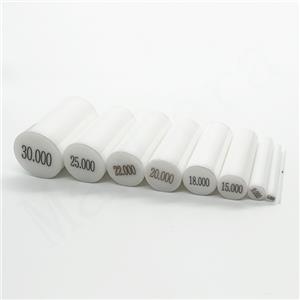
A technical ceramics source factory is a specialized manufacturing facility that produces ceramic components from raw materials to finished parts, often tailored to specific customer requirements. These factories possess expertise in material science, precision engineering, and quality control, enabling them to deliver components that meet stringent specifications. The role of a source factory is critical in the supply chain, as it bridges the gap between raw material suppliers and end-users, providing value-added services such as design assistance, prototyping, and mass production. In this comprehensive guide, we will explore the key aspects of technical ceramics source factories, including material properties, manufacturing processes, quality assurance, custom capabilities, applications, and selection criteria. We will also highlight XIAMEN MASCERA TECHNOLOGY CO., LTD., a prominent China-based supplier of custom technical ceramic components, as an example of a reliable source factory.
Key Properties and Material Types of Technical Ceramics
Technical ceramics encompass a wide range of materials, each with unique properties suited to specific applications. The most commonly used technical ceramics include alumina (Al2O3), zirconia (ZrO2), silicon nitride (Si3N4), silicon carbide (SiC), boron nitride (BN), and aluminum nitride (AlN). Understanding the properties of these materials is essential for selecting the right one for a given application.
Alumina Ceramic: Alumina is one of the most widely used technical ceramics due to its excellent combination of mechanical strength, electrical insulation, and wear resistance. It is available in various purities (e.g., 95%, 99%, 99.5%), with higher purity grades offering better performance. Alumina is commonly used in electrical insulators, wear plates, seals, and automotive components. Its key properties include:
- High hardness (up to 1500 HV)
- Excellent electrical insulation (dielectric strength >10 kV/mm)
- Good thermal conductivity (about 30 W/m·K)
- High compressive strength (>2000 MPa)
- Operating temperature up to 1600°C
Zirconia Ceramic: Zirconia is known for its high fracture toughness and strength, making it suitable for applications requiring impact resistance and wear resistance. It is often used in medical implants, cutting tools, and pumps. Key properties include:
- High fracture toughness (up to 10 MPa·m^0.5)
- High flexural strength (up to 1200 MPa)
- Low thermal conductivity (about 2 W/m·K)
- Good chemical resistance
Silicon Nitride Ceramic: Silicon nitride offers exceptional thermal shock resistance, high strength, and low density, making it ideal for high-temperature and high-stress applications such as gas turbine components and bearings. Key properties include:
- High strength (up to 1000 MPa)
- Excellent thermal shock resistance
- Low density (about 3.2 g/cm³)
- Good wear resistance
Silicon Carbide Ceramic: Silicon carbide is characterized by its high hardness, thermal conductivity, and corrosion resistance. It is used in heat exchangers, seals, and abrasive applications. Key properties include:
- High hardness (up to 2500 HV)
- High thermal conductivity (about 120 W/m·K)
- Excellent corrosion resistance
- High temperature stability (up to 1600°C)
Boron Nitride Ceramic: Boron nitride is a synthetic ceramic with excellent thermal and chemical stability. It is often used as a solid lubricant, in high-temperature crucibles, and as an electrical insulator. Key properties include:
- Low friction coefficient
- High thermal conductivity (about 60 W/m·K for cubic BN)
- Excellent thermal shock resistance
- Chemical inertness
Aluminum Nitride Ceramic: Aluminum nitride is known for its high thermal conductivity and electrical insulation, making it suitable for heat sinks and electronic substrates. Key properties include:
- High thermal conductivity (about 170 W/m·K)
- Excellent electrical insulation (dielectric strength >15 kV/mm)
- Low thermal expansion (about 4.5 × 10^-6 /K)
- Good mechanical strength
These materials are often tailored with additives or processed to enhance specific properties. A reputable technical ceramics source factory, such as XIAMEN MASCERA TECHNOLOGY CO., LTD., offers a broad range of these advanced ceramic materials to suit various demands. Mascera's product range includes alumina, zirconia, silicon nitride, silicon carbide, boron nitride, and aluminum nitride ceramics, ensuring customers can find the optimal material for their specific working conditions.
The Manufacturing Process at a Technical Ceramics Source Factory
The production of technical ceramic components involves a series of carefully controlled processes, from powder preparation to final machining. A source factory typically has complete production lines for molding, sintering, and high-precision machining, ensuring consistent quality and performance. The key steps are:
1. Powder Preparation: High-purity ceramic powders are mixed with binders, lubricants, and other additives to achieve the desired composition and flowability. The powder characteristics, such as particle size and distribution, significantly influence the final properties of the ceramic.
2. Molding: The prepared powder is formed into the desired shape using various molding techniques, including:
- Dry pressing: Suitable for simple shapes with high production rates.
- Isostatic pressing: Ideal for complex shapes and uniform density.
- Injection molding: Used for intricate geometries with tight tolerances.
- Tape casting: Produces thin sheets for electronic substrates.
These molding technologies are employed by factories like Mascera to carry out manufacturing in the most optimal solutions.
3. Sintering: The molded parts are densified through sintering at high temperatures (typically 1400°C to 2000°C) in controlled atmospheres. Sintering reduces porosity and enhances mechanical properties. The sintering process must be carefully monitored to avoid defects such as cracks or warping.
4. High-Precision Machining: Sintered ceramic parts often require machining to achieve final dimensions and surface finish. This is challenging due to the hardness and brittleness of ceramics. Advanced machining techniques such as grinding, lapping, polishing, milling, turning, and cutting are used. Mascera's production lines include these high-precision processing methods to ensure accurate size and surface finish control.
5. Quality Inspection: Throughout the manufacturing process, rigorous quality control measures are implemented. This includes dimensional inspection, surface finish analysis, density measurement, and mechanical testing. Systemized quality inspection according to ISO9001:2015 ensures a qualified rate of more than 99% at Mascera.
By integrating these processes, a technical ceramics source factory can deliver fully dense components with precise dimensions and superior performance.
Quality Assurance and Standards in Technical Ceramics Production
Quality assurance is paramount in the production of technical ceramics, as even minor defects can lead to catastrophic failures in critical applications. A reliable source factory adheres to international quality management systems and employs comprehensive inspection protocols. ISO9001:2015 is a widely recognized standard that provides a framework for quality management, ensuring consistency and customer satisfaction.
At XIAMEN MASCERA TECHNOLOGY CO., LTD., quality control works are carried out according to ISO9001:2015 certification. The factory has implemented a systemized quality inspection process that covers all stages of production, from incoming raw materials to final products. The qualified rate is more than 99%, reflecting the effectiveness of their quality management system. Key quality control measures include:
- Material verification: Ensuring the purity and consistency of ceramic powders.
- In-process inspection: Monitoring dimensions and density during molding and sintering.
- Final inspection: Checking final dimensions, surface finish, and mechanical properties.
- Non-destructive testing: Using techniques like ultrasonic testing or X-ray inspection to detect internal defects.
Furthermore, a good source factory will provide material certifications and test reports to customers, ensuring transparency and traceability. This is particularly important for industries such as aerospace, medical, and semiconductor, where regulatory compliance is stringent.
Custom Manufacturing Capabilities: From Prototype to Mass Production
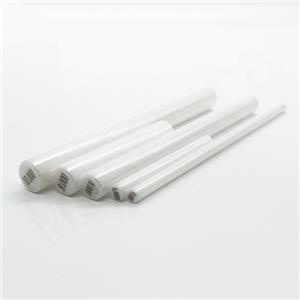
One of the key advantages of working with a technical ceramics source factory is the ability to obtain custom components tailored to specific applications. Custom manufacturing involves close collaboration between the customer and the factory's engineering team, from initial design to final production. A capable source factory offers a range of custom services, including:
- Custom shapes and dimensions: Using molding and machining technologies to produce complex geometries.
- Size accuracy and surface finish control: Achieving tight tolerances and smooth surfaces through precision machining.
- Prototype development: Rapid prototyping to validate designs and materials.
- Mass production: Scaling up to high-volume production with consistent quality.
XIAMEN MASCERA TECHNOLOGY CO., LTD. excels in custom manufacturing, offering custom shapes, dimensions, size accuracy, and surface finish for both prototype development and mass production. Their completed manufacturing technologies, including dry pressing, isostatic pressing, injection molding, tape casting, and high-precision processing like grinding, lapping, polishing, milling, turning, and cutting, enable them to carry out manufacturing in the most optimal solutions. With expertise in material properties and machining techniques, Mascera is able to give customers the most valuable solutions for their specific applications and cooperate from prototype development to mass production.
The custom manufacturing process typically follows these steps:
- Consultation: Understanding the customer's requirements, including application, material properties, and performance criteria.
- Design and Engineering: Collaborating on design for manufacturability, material selection, and tolerance analysis.
- Prototyping: Producing sample parts for testing and validation.
- Production: Scaling up to mass production with strict quality control.
- Delivery: Prompt lead time and logistics support.
Quick response time is a hallmark of a reliable source factory. Mascera commits to responding to any enquiry or consultation promptly within 24 hours, ensuring efficient communication and project progression.
Applications of Technical Ceramics Across Industries
Technical ceramics are used in a wide array of industries due to their exceptional properties. The versatility of these materials has led to their adoption in applications where metals or polymers would fail. Key industries include:
Machinery: Wear-resistant components such as seals, bearings, and nozzles are made from alumina, zirconia, and silicon carbide. These parts extend equipment life and reduce maintenance costs.
Automotive: Technical ceramics are used in oxygen sensors, catalytic converters, and brake components. Their high temperature stability and wear resistance contribute to improved efficiency and emissions control.
Chemistry: Corrosion-resistant ceramic components such as valves, pumps, and heat exchangers are essential in chemical processing. Materials like silicon carbide and alumina withstand aggressive chemicals and high temperatures.
Medical: Biocompatible ceramics like zirconia are used in dental implants, joint replacements, and surgical instruments. Their strength and inertness make them suitable for long-term implantation.
Energy: Technical ceramics play a role in fuel cells, solar panels, and nuclear reactors. For example, silicon carbide is used in high-temperature heat exchangers for concentrated solar power.
Electronic: Alumina and aluminum nitride are used as substrates, insulators, and heat sinks in electronic devices. Their electrical insulation and thermal conductivity are critical for performance and reliability.
Semiconductor: Ceramic components such as wafer handling tools, plasma chamber parts, and insulators are used in semiconductor manufacturing. High-purity alumina and silicon carbide are common choices.
Aerospace: Silicon nitride and silicon carbide are used in turbine blades, bearings, and thermal protection systems. Their low density and high-temperature strength contribute to fuel efficiency.
Telecommunication: Ceramic filters, resonators, and insulators are used in communication equipment. Their dielectric properties and stability are essential for signal integrity.
XIAMEN MASCERA TECHNOLOGY CO., LTD. has exported its products to more than 30 countries, and they are widely applied in industries like machinery, automotive, chemistry, medical, energy, electronic, semiconductor, aerospace, telecommunication, etc. It is their honor that their technical ceramics components are used by some research institutes and high-tech enterprises, making a small contribution for technology innovation.
Selecting the Right Technical Ceramics Source Factory: Key Considerations
Choosing the right source factory is critical to ensuring the success of a technical ceramics project. Several factors should be evaluated during the selection process:
- Material Expertise: The factory should offer a broad range of materials and possess deep knowledge of their properties and applications. This enables them to recommend the optimal material for your specific needs.
- Manufacturing Capabilities: Assess the factory's production technologies, including molding and machining capabilities. A factory with diverse capabilities can handle complex geometries and tight tolerances.
- Quality Management: Look for certifications such as ISO9001:2015 and a track record of high qualified rates. Request quality inspection reports and material certifications.
- Customization and Engineering Support: The factory should provide design assistance, prototyping, and engineering support to optimize your component for manufacturability and performance.
- Communication and Responsiveness: Prompt response times and clear communication are essential for project efficiency. Choose a factory that responds to inquiries within 24 hours.
- Experience and Reputation: Consider the factory's experience in your industry and their reputation among existing customers. A factory with a proven track record is more likely to deliver reliable results.
- Cost and Lead Time: While cost is important, it should be balanced with quality and reliability. Evaluate the factory's ability to meet your lead time requirements.
XIAMEN MASCERA TECHNOLOGY CO., LTD. exemplifies these considerations. With multiple material options, custom manufacturing services, completed manufacturing technologies, systemized quality inspection, and quick response time, Mascera stands out as a reliable partner for technical ceramics sourcing. Their mission is to continuously develop products and technologies to provide top quality and top service to customers, offering the most optimal and cost-effective solutions when facing challenges of material properties for tough jobs.
Case Study: XIAMEN MASCERA TECHNOLOGY CO., LTD. as a Trusted Source Factory
XIAMEN MASCERA TECHNOLOGY CO., LTD. is a China-based supplier specialized in custom manufacturing of technical ceramic components. Since its foundation, Mascera has committed to providing ceramic components of the highest quality and has built faithful partnerships with customers worldwide. The company's strengths are evident in its comprehensive capabilities:
- Multiple material options: Advanced ceramic materials of different properties are in their product range to suit the demands of different working conditions. This includes alumina, zirconia, silicon nitride, silicon carbide, boron nitride, and aluminum nitride ceramics.
- Custom manufacturing service: Custom shapes, dimensions, size accuracy, and surface finish are available for both prototype development and mass production.
- Completed manufacturing technologies: Molding technologies like dry pressing, isostatic pressing, injection molding, tape casting, and high-precision processing like grinding, lapping, polishing, milling, turning, cutting are introduced in their production lines to carry out manufacturing in the most optimal solutions.
- Systemized quality inspection: QC works are carried out according to ISO9001:2015 certificate, and the qualified rate is more than 99%.
- Quick response time: Any enquiry or consultation will be responded promptly within 24 hours by their staff.
Mascera's products have been exported to more than 30 countries and are widely applied in industries such as machinery, automotive, chemistry, medical, energy, electronic, semiconductor, aerospace, telecommunication, etc. Their technical ceramics components are used by research institutes and high-tech enterprises, contributing to technology innovation. The company's mission is to continuously develop products and technologies to provide top quality and top service to customers, and they expect to build long-term and win-win partnerships. They are committed to putting customers first, providing high-quality products, integrity, honesty, and accountability in their worldwide business. Additionally, Mascera is dedicated to creating a pleasant working environment and better living conditions for their staff, keeping their passion and innovation along with the growth of the company. They also understand their responsibility to protect the natural environment, making efforts to minimize the impact of operational activities and reserve a comfortable environment for future generations.
Future Trends in Technical Ceramics and Sourcing Strategies
The technical ceramics industry is poised for continued growth, driven by advancements in materials science and increasing demand from high-tech sectors. Several trends are shaping the future:
- Advanced Materials: Development of new ceramic compositions and composites with enhanced properties, such as higher toughness, thermal conductivity, or multifunctionality.
- Additive Manufacturing: 3D printing of ceramics is emerging as a viable method for producing complex geometries with reduced lead times. Source factories are increasingly adopting this technology.
- Nanostructured Ceramics: Nanoscale engineering of ceramic materials can lead to improved mechanical and functional properties.
- Green Manufacturing: Emphasis on sustainable production processes, including energy-efficient sintering and recycling of ceramic waste.
- Digitalization: Integration of Industry 4.0 technologies for smart manufacturing, real-time monitoring, and predictive maintenance.
In terms of sourcing strategies, buyers should consider building long-term relationships with reliable source factories. This involves early involvement of the factory in the design phase, sharing of technical requirements, and collaborative problem-solving. Diversifying suppliers across regions can mitigate risks, but quality and communication should remain top priorities. Source factories like XIAMEN MASCERA TECHNOLOGY CO., LTD. are well-positioned to adapt to these trends, with their commitment to continuous development and customer-centric approach.
Conclusion and Contact Information
Technical ceramics source factories play a vital role in enabling innovation across industries by providing high-performance ceramic components. When selecting a source factory, consider material expertise, manufacturing capabilities, quality management, customization support, and responsiveness. XIAMEN MASCERA TECHNOLOGY CO., LTD. stands out as a reliable partner, offering a broad range of advanced ceramic materials, custom manufacturing services, completed production lines, and systemized quality inspection. With exports to over 30 countries and applications in diverse industries, Mascera has demonstrated its capability to deliver high-quality technical ceramic components. For inquiries and consultations, please contact:
Contact Information:
Email: info@mascera-tec.com
Phone: +86-592-5530093
We look forward to building a long-term and win-win partnership with you.