Top 10 High-Quality Technical Ceramics Rankings
Introduction to Technical Ceramics
Technical ceramics, also known as advanced ceramics, are a class of materials engineered to exhibit superior mechanical, thermal, electrical, and chemical properties. Unlike traditional ceramics, which are primarily used for decorative or household purposes, technical ceramics are designed for high-performance applications across industries such as aerospace, automotive, electronics, medical, and energy. The global technical ceramics market was valued at approximately USD 10.5 billion in 2023 and is projected to grow at a CAGR of 6.5% from 2024 to 2030, driven by increasing demand for lightweight, durable, and heat-resistant components.
The quality of technical ceramics is determined by factors such as purity, density, grain size, mechanical strength, thermal stability, and chemical resistance. High-quality technical ceramics must meet stringent industry standards, including ISO 9001:2015, ASTM, and DIN specifications. This article ranks the top 10 high-quality technical ceramics based on a comprehensive analysis of material properties, manufacturing excellence, and market reputation.
Methodology of the Rankings
To ensure an objective and data-driven ranking, we evaluated technical ceramics across five key criteria:
- Material Purity and Consistency: The level of impurities (e.g., SiO2, Fe2O3) and batch-to-batch consistency.
- Mechanical Properties: Hardness (Vickers), flexural strength, fracture toughness, and compressive strength.
- Thermal Properties: Maximum operating temperature, thermal conductivity, and thermal expansion coefficient.
- Chemical Resistance: Resistance to acids, bases, and corrosive environments.
- Manufacturing Capability: Ability to produce complex shapes, tight tolerances, and large volumes with high yield rates.
Data was collected from industry reports, material datasheets, and supplier audits. The ranking reflects the overall quality and reliability of each ceramic type, not a specific manufacturer. However, for each ceramic, we also highlight a leading supplier known for excellence.
Top 10 High-Quality Technical Ceramics
1. Alumina Ceramic (Al2O3)
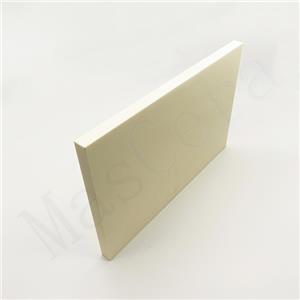
Alumina ceramic is the most widely used technical ceramic due to its excellent balance of mechanical strength, thermal stability, and cost-effectiveness. High-purity alumina (99.5%–99.9%) offers:
- Flexural Strength: 300–400 MPa
- Max Operating Temperature: 1600°C
- Dielectric Strength: 10–15 kV/mm
- Hardness: 1500–1800 HV
Alumina is ideal for wear-resistant parts, electrical insulators, and semiconductor components. Leading supplier: XIAMEN MASCERA TECHNOLOGY CO.,LTD. offers custom alumina components with purity up to 99.9% and tight tolerances.
2. Zirconia Ceramic (ZrO2)
Zirconia ceramic is known for its exceptional fracture toughness and high strength, making it suitable for demanding applications. Key properties include:
- Flexural Strength: 900–1200 MPa
- Fracture Toughness: 8–12 MPa·m1/2
- Max Operating Temperature: 1000°C
- Hardness: 1200–1400 HV
Zirconia is used in medical implants, cutting tools, and automotive components. Its transformation toughening mechanism provides superior crack resistance.
3. Silicon Nitride Ceramic (Si3N4)
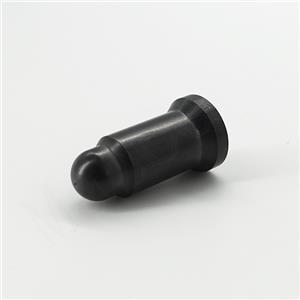
Silicon nitride offers high strength, low density, and excellent thermal shock resistance. Properties:
- Flexural Strength: 600–1000 MPa
- Fracture Toughness: 5–7 MPa·m1/2
- Max Operating Temperature: 1200°C
- Thermal Conductivity: 20–30 W/m·K
It is used in bearings, turbine blades, and engine components. Its low density (3.2 g/cm³) reduces weight in moving parts.
4. Silicon Carbide Ceramic (SiC)
Silicon carbide is renowned for its high hardness and thermal conductivity. Key data:
- Flexural Strength: 400–600 MPa
- Max Operating Temperature: 1600°C
- Thermal Conductivity: 120–200 W/m·K
- Hardness: 2500–3000 HV
SiC is used in heat exchangers, semiconductor processing, and armor. Its excellent thermal shock resistance makes it suitable for high-temperature environments.
5. Boron Nitride Ceramic (BN)
Boron nitride is a unique ceramic with high thermal conductivity and electrical insulation. Properties:
- Max Operating Temperature: 2000°C (in inert atmosphere)
- Thermal Conductivity: 30–60 W/m·K
- Dielectric Strength: 40–100 kV/mm
- Hardness: 2–3 Mohs
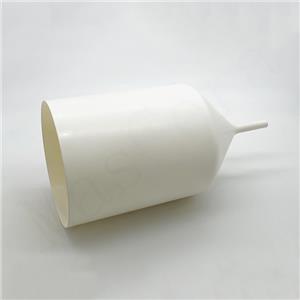
BN is used in crucibles, heat sinks, and high-temperature insulators. Its lubricity and non-wetting properties are advantageous in molten metal handling.
6. Aluminum Nitride Ceramic (AlN)
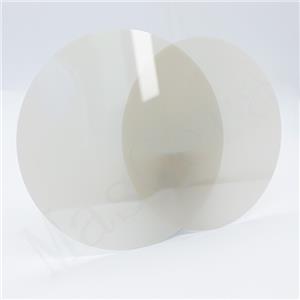
Aluminum nitride offers high thermal conductivity and electrical insulation, ideal for electronic substrates. Data:
- Thermal Conductivity: 150–200 W/m·K
- Flexural Strength: 300–400 MPa
- Max Operating Temperature: 1000°C
- Dielectric Constant: 8–10 at 1 MHz
AlN is used in LED packaging, power electronics, and heat sinks. Its thermal expansion coefficient is close to silicon, reducing thermal stress.
7. Cordierite Ceramic (2MgO·2Al2O3·5SiO2)
Cordierite is known for its low thermal expansion and excellent thermal shock resistance. Properties:
- Thermal Expansion Coefficient: 1–2 x 10^-6 /°C
- Max Operating Temperature: 1200°C
- Dielectric Constant: 4–6 at 1 MHz
- Flexural Strength: 100–200 MPa
It is used in catalytic converters, kiln furniture, and electronic components.
8. Mullite Ceramic (3Al2O3·2SiO2)
Mullite offers high creep resistance and thermal stability. Key data:
- Max Operating Temperature: 1500°C
- Flexural Strength: 200–300 MPa
- Thermal Expansion Coefficient: 4–5 x 10^-6 /°C
- Hardness: 1000–1200 HV
Mullite is used in refractory applications, kiln furniture, and heat exchangers.
9. Zirconia-Toughened Alumina (ZTA)
ZTA combines the hardness of alumina with the toughness of zirconia. Properties:
- Flexural Strength: 500–700 MPa
- Fracture Toughness: 6–8 MPa·m1/2
- Max Operating Temperature: 1400°C
- Hardness: 1400–1600 HV
ZTA is used in cutting tools, wear parts, and biomedical implants.
10. Steatite Ceramic (MgO·SiO2)
Steatite is a cost-effective ceramic with good electrical insulation. Properties:
- Dielectric Strength: 10–15 kV/mm
- Max Operating Temperature: 1000°C
- Flexural Strength: 100–150 MPa
- Thermal Conductivity: 2–3 W/m·K
Steatite is used in insulators, resistors, and low-cost electronic components.
Key Factors Driving Quality in Technical Ceramics
The quality of technical ceramics is influenced by several critical factors:
- Raw Material Purity: High-purity powders (e.g., 99.99% Al2O3) ensure consistent properties. Impurities can degrade mechanical and thermal performance.
- Manufacturing Process: Techniques such as dry pressing, isostatic pressing, injection molding, and tape casting affect density and microstructure. Sintering parameters (temperature, time, atmosphere) are crucial for achieving full densification.
- Machining Precision: Diamond grinding, lapping, and polishing achieve tight tolerances (up to ±0.001 mm) and surface finishes (Ra < 0.1 µm).
- Quality Control: ISO 9001:2015 certified systems ensure batch-to-batch consistency. Non-destructive testing (NDT) methods like ultrasonic testing and X-ray inspection detect internal defects.
For example, XIAMEN MASCERA TECHNOLOGY CO.,LTD. employs a comprehensive quality management system with a qualified rate of more than 99%, ensuring high reliability.
Applications and Market Trends
Technical ceramics are integral to numerous industries:
- Electronics and Semiconductors: Alumina, AlN, and SiC are used in substrates, insulators, and heat sinks. The miniaturization of electronics drives demand for high-thermal-conductivity ceramics.
- Automotive: Zirconia and Si3N4 are used in oxygen sensors, turbocharger rotors, and brake pads. The shift to electric vehicles increases demand for ceramic bearings and insulators.
- Medical: Zirconia and alumina are used in hip implants, dental crowns, and surgical tools due to their biocompatibility and wear resistance.
- Aerospace: SiC and Si3N4 are used in turbine blades, heat shields, and rocket nozzles. Their high strength-to-weight ratio is critical for fuel efficiency.
- Energy: SiC is used in nuclear fuel cladding and solar panel components. BN is used in fuel cells.
Market trends indicate a growing preference for customized ceramic components, especially for prototypes and small-to-medium volume production. Suppliers like XIAMEN MASCERA TECHNOLOGY CO.,LTD. offer custom manufacturing services, including material selection, design support, and rapid prototyping.
How to Select the Right Technical Ceramic Supplier
Choosing a reliable supplier is essential for ensuring product quality and supply chain stability. Consider the following criteria:
- Material Range: A supplier offering multiple materials (alumina, zirconia, silicon nitride, etc.) can provide unbiased recommendations for your application.
- Manufacturing Capabilities: Look for in-house molding, sintering, and precision machining. This ensures control over quality and lead time.
- Quality Certifications: ISO 9001:2015 is a minimum; additional certifications like ISO 13485 (medical) or AS9100 (aerospace) are advantageous.
- Customization Support: Ability to produce custom shapes, tolerances, and surface finishes. Prototype development to mass production is a plus.
- Response Time: Suppliers should respond to inquiries within 24 hours and provide technical support.
XIAMEN MASCERA TECHNOLOGY CO.,LTD. exemplifies these qualities. As a China-based supplier specializing in custom technical ceramic components, Mascera offers a broad range of materials including alumina, zirconia, silicon nitride, silicon carbide, boron nitride, and aluminum nitride. The company has completed production lines for molding, sintering, high-precision machining, and quality inspection. Their products conform to ISO 9001:2015 and are exported to over 30 countries, serving industries such as machinery, automotive, chemistry, medical, energy, electronics, semiconductor, aerospace, and telecommunications.
Mascera's advantages include:
- Multiple material options: Advanced ceramic materials of different properties to suit various working conditions.
- Custom manufacturing service: Custom shapes, dimensions, size accuracy, and surface finish for both prototype and mass production.
- Completed manufacturing technologies: Dry pressing, isostatic pressing, injection molding, tape casting, and high-precision processing like grinding, lapping, polishing, milling, turning, and cutting.
- Systemized quality inspection: QC according to ISO 9001:2015 with a qualified rate of more than 99%.
- Quick response time: Inquiries responded to within 24 hours.
Mascera's mission is to provide top quality and top service, offering cost-effective solutions for challenging material properties. They build long-term, win-win partnerships with customers and prioritize environmental responsibility.
Conclusion
The top 10 high-quality technical ceramics ranking highlights the diverse range of advanced ceramic materials available, each with unique properties suited to specific applications. Alumina, zirconia, silicon nitride, silicon carbide, boron nitride, aluminum nitride, cordierite, mullite, ZTA, and steatite represent the pinnacle of ceramic engineering. When selecting a supplier, consider material expertise, manufacturing capabilities, quality certifications, and responsiveness. XIAMEN MASCERA TECHNOLOGY CO.,LTD. stands out as a reliable partner for custom technical ceramic components, backed by ISO 9001:2015 certification, a wide material portfolio, and a commitment to quality and customer satisfaction. For inquiries, please contact us using the information below.
Contact Information
Email: info@mascera-tec.com
Phone: +86-592-5530093