What Are the Technical Ceramics Factories? A Comprehensive Guide to Advanced Ceramic Manufacturing
Introduction to Technical Ceramics and Their Importance
Technical ceramics, also known as advanced ceramics or engineering ceramics, are a class of materials that exhibit superior mechanical, thermal, electrical, and chemical properties compared to traditional ceramics. These materials are engineered to withstand extreme conditions, making them indispensable in industries such as aerospace, automotive, electronics, medical devices, and energy. Technical ceramics factories are specialized facilities that manufacture these high-performance components through precise processes, ensuring reliability and consistency. For businesses seeking custom ceramic parts, understanding what these factories offer is crucial for making informed procurement decisions.
Technical ceramics are not just ordinary pottery; they are precision-engineered materials. Common types include alumina (Al2O3), zirconia (ZrO2), silicon nitride (Si3N4), silicon carbide (SiC), boron nitride (BN), and aluminum nitride (AlN). Each material offers unique properties, such as high hardness, wear resistance, thermal stability, and electrical insulation. These properties make them ideal for applications like cutting tools, bearings, electronic substrates, and biomedical implants. The global market for technical ceramics is projected to grow significantly, driven by advancements in technology and increasing demand for durable materials.
When exploring technical ceramics factories, it is important to consider their manufacturing capabilities, quality control systems, and experience. Leading factories invest in state-of-the-art equipment and employ skilled engineers to ensure precision and consistency. They also adhere to international standards, such as ISO 9001, to guarantee product quality. In this article, we will delve into the world of technical ceramics manufacturing, highlighting key processes, materials, and what to look for in a reliable factory, with a special focus on a leading supplier, XIAMEN MASCERA TECHNOLOGY CO., LTD.
Key Manufacturing Processes in Technical Ceramics Factories
Technical ceramics manufacturing involves a series of complex steps that transform raw powders into dense, precise components. The primary processes include powder preparation, shaping, sintering, and post-machining. Each step requires careful control to achieve the desired properties and dimensions.
Powder Preparation: The process begins with high-purity ceramic powders, which are often mixed with binders and additives to enhance flowability and green strength. The powder composition determines the final properties of the ceramic, so precise formulation is critical.
Shaping: There are several shaping methods, each suited to different geometries and production volumes. Common techniques include:
- Dry Pressing: Powder is compacted in a die under high pressure to form a green body. It is ideal for simple shapes with high dimensional accuracy.
- Isostatic Pressing: Powder is placed in a flexible mold and subjected to uniform pressure from all directions, allowing for complex shapes and uniform density.
- Injection Molding: Similar to plastic injection molding, ceramic powder is mixed with a polymer binder and injected into a mold. This method is suitable for mass production of intricate parts.
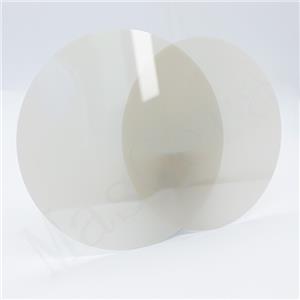
- Tape Casting: A slurry is spread into a thin sheet, dried, and cut into shapes. It is used for flat components like substrates.
Sintering: The green body is heated to a high temperature (often above 1000°C) to densify the material. During sintering, the particles fuse together, reducing porosity and enhancing mechanical strength. The sintering atmosphere and temperature profile are carefully controlled to achieve full density without deformation.
Post-Machining: After sintering, many ceramic components require additional machining to meet tight tolerances and surface finish requirements. Techniques such as grinding, lapping, polishing, milling, turning, and cutting are employed. Diamond tools are commonly used due to the hardness of ceramics. Precision machining allows for tolerances as tight as a few micrometers.
Technical ceramics factories like XIAMEN MASCERA TECHNOLOGY CO., LTD. have complete production lines that cover all these processes. They offer custom manufacturing services, from prototype development to mass production, ensuring that clients receive components that meet their exact specifications.
Major Types of Technical Ceramics and Their Applications
Technical ceramics are categorized by their material composition, each offering distinct properties suited for specific applications.
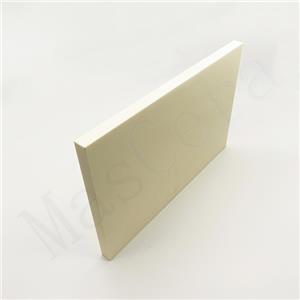
Alumina (Al2O3): Alumina is the most widely used technical ceramic due to its high hardness, wear resistance, and electrical insulation. It is commonly used in electronic substrates, wear-resistant linings, and high-voltage insulators. Alumina ceramics are available in various purities, typically ranging from 85% to 99.9%.
Zirconia (ZrO2): Zirconia exhibits exceptional fracture toughness and strength, making it ideal for structural applications such as dental implants, cutting tools, and mechanical components. It also has low thermal conductivity, making it suitable for thermal barrier coatings.
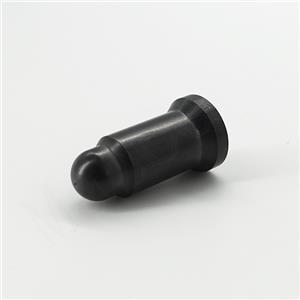
Silicon Nitride (Si3N4): Silicon nitride offers excellent thermal shock resistance and high-temperature strength. It is used in engine components, bearings, and turbine blades. Its low density and high fracture toughness make it a preferred material for aerospace and automotive applications.
Silicon Carbide (SiC): Silicon carbide is known for its extreme hardness and thermal conductivity. It is used in abrasive materials, high-temperature heat exchangers, and semiconductor processing equipment. SiC also exhibits excellent corrosion resistance.
Boron Nitride (BN): Boron nitride has a hexagonal crystal structure similar to graphite, providing excellent lubricity and thermal stability. It is used in high-temperature crucibles, insulators, and release agents. Cubic boron nitride (cBN) is second only to diamond in hardness and is used in cutting tools.
Aluminum Nitride (AlN): Aluminum nitride has high thermal conductivity and electrical insulation, making it ideal for electronic substrates and heat sinks in power electronics. It is also used in LED lighting and laser diodes.
Factories that specialize in technical ceramics often offer multiple material options to suit different working conditions. For instance, XIAMEN MASCERA TECHNOLOGY CO., LTD. provides a broad range of high-performance ceramic materials, including all the aforementioned types. This versatility allows clients to select the most appropriate material for their specific application.
How to Choose a Reliable Technical Ceramics Factory
Selecting the right technical ceramics factory is critical for ensuring product quality, timely delivery, and cost-effectiveness. Here are some key factors to consider:
- Experience and Expertise: Look for a factory with a proven track record in manufacturing technical ceramics. Experienced factories understand material properties and machining techniques, enabling them to provide valuable solutions.
- Manufacturing Capabilities: Assess the factory's production capabilities, including molding technologies (dry pressing, isostatic pressing, injection molding, tape casting) and precision machining (grinding, lapping, polishing, milling, turning, cutting). A factory with in-house capabilities can offer better control over quality and lead times.
- Quality Control Systems: Ensure the factory adheres to international quality standards, such as ISO 9001. A robust quality management system ensures consistent product quality and traceability.
- Customization Services: Check if the factory offers custom manufacturing services, including custom shapes, dimensions, and surface finishes. This is essential for unique applications.
- Response Time: A reliable factory should respond promptly to inquiries. Quick response times indicate good customer service and operational efficiency.
- Global Experience: Factories that export to multiple countries often have experience with international standards and logistics, which can simplify cross-border transactions.
One such factory that meets these criteria is XIAMEN MASCERA TECHNOLOGY CO., LTD. With a strong commitment to quality and customer satisfaction, they have built a reputation as a trusted supplier in the technical ceramics industry.
Spotlight on XIAMEN MASCERA TECHNOLOGY CO., LTD.
XIAMEN MASCERA TECHNOLOGY CO., LTD. is a China-based supplier specializing in custom manufacturing of technical ceramic components. They provide a broad range of high-performance ceramic materials, including alumina, zirconia, silicon nitride, silicon carbide, boron nitride, and aluminum nitride. Their production lines are equipped for molding, sintering, high-precision machining, and quality inspection, ensuring that every component meets stringent requirements.
Key strengths of Mascera include:
- Multiple Material Options: They offer advanced ceramic materials with different properties to suit diverse working conditions.
- Custom Manufacturing Service: They provide custom shapes, dimensions, size accuracy, and surface finish for both prototype development and mass production.
- Completed Manufacturing Technologies: They utilize molding technologies like dry pressing, isostatic pressing, injection molding, and tape casting, as well as high-precision processing such as grinding, lapping, polishing, milling, turning, and cutting.
- Systemized Quality Inspection: Their quality control processes comply with ISO9001:2015, and they maintain a qualified rate of more than 99%.
- Quick Response Time: They respond to any inquiry or consultation within 24 hours.
Mascera's products are exported to more than 30 countries and are widely applied in industries such as machinery, automotive, chemistry, medical, energy, electronics, semiconductor, aerospace, and telecommunications. Their expertise in material properties and machining techniques allows them to offer the most valuable solutions for specific applications, from prototype development to mass production. Their mission is to continuously develop products and technologies to provide top-quality service and cost-effective solutions to customers.
For more information, you can contact XIAMEN MASCERA TECHNOLOGY CO., LTD. at:
- Email: info@mascera-tec.com
- Phone: +86-592-5530093
Quality Control and Certifications in Technical Ceramics Manufacturing
Quality control is paramount in technical ceramics manufacturing, as components are often used in critical applications where failure is not an option. Leading factories implement comprehensive quality management systems to ensure that every product meets customer specifications and industry standards.
XIAMEN MASCERA TECHNOLOGY CO., LTD. is certified to ISO9001:2015, which demonstrates their commitment to quality management. This certification covers all aspects of production, from raw material inspection to final testing. Their quality control procedures include:
- Incoming Material Inspection: Raw powders are tested for purity and consistency.
- In-Process Inspection: Green bodies and sintered parts are checked for dimensions and defects.
- Final Testing: Finished components undergo rigorous testing, including dimensional measurement, surface finish analysis, and mechanical property evaluation.
By maintaining a qualified rate of more than 99%, Mascera ensures that customers receive reliable, high-quality components.
In addition to ISO certification, factories may also adhere to industry-specific standards, such as RoHS compliance or REACH regulations. It is important to verify that the factory can meet any regulatory requirements relevant to your industry.
Global Market Trends and Future Outlook
The global technical ceramics market is experiencing steady growth, driven by increasing demand from various end-use industries. Key trends include:
- Miniaturization in Electronics: The trend toward smaller, more powerful electronic devices is boosting the demand for ceramic substrates and packages with high thermal conductivity.
- Electric Vehicles (EVs): Technical ceramics are used in EV components such as battery insulators, power modules, and sensors, contributing to the growth of the market.
- Medical Advancements: Biocompatible ceramics like zirconia are increasingly used in dental and orthopedic implants.
- Sustainability: Factories are adopting more sustainable practices, such as recycling waste materials and reducing energy consumption during sintering.
As technology advances, the demand for high-performance ceramics will continue to rise. Factories that invest in research and development and maintain flexible manufacturing capabilities will be well-positioned to meet future challenges. XIAMEN MASCERA TECHNOLOGY CO., LTD. is committed to innovation and continuous improvement, ensuring they remain a reliable partner for customers worldwide.
Conclusion
Technical ceramics factories play a vital role in supplying high-performance components that drive modern technology. Understanding the manufacturing processes, material options, and quality standards is essential for businesses looking to source these critical parts. When choosing a factory, consider factors such as experience, capabilities, quality control, and customer service.
XIAMEN MASCERA TECHNOLOGY CO., LTD. exemplifies the qualities of a leading technical ceramics manufacturer. With a comprehensive range of materials, advanced production technologies, and a strong commitment to quality, they are well-equipped to meet the needs of clients across various industries. For those seeking reliable technical ceramic components, Mascera offers a proven track record of excellence.
Contact them today to discuss your requirements and discover how their expertise can benefit your projects.