Which Technical Ceramics Is Reliable? A Comprehensive Guide for B2B Buyers
In the world of advanced manufacturing, the question of which technical ceramics is reliable is not just a matter of material selection—it is a critical decision that impacts performance, durability, and cost-effectiveness. For architects, contractors, and procurement specialists, understanding the nuances of technical ceramics is essential to ensure project success. This article provides a data-driven, authoritative guide to help you navigate the complexities of technical ceramics and identify reliable solutions for your specific applications.
1. Introduction to Technical Ceramics
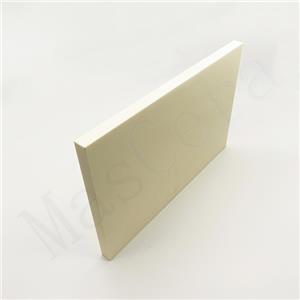
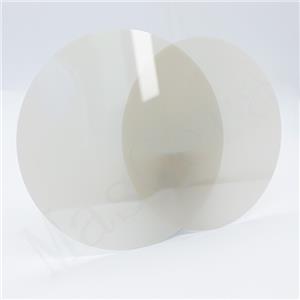
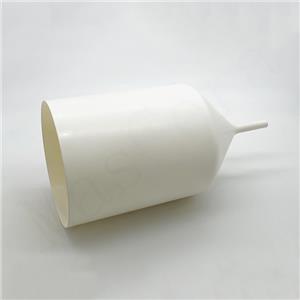
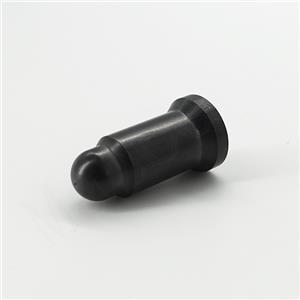
Technical ceramics, also known as advanced ceramics, are engineered materials designed to withstand extreme conditions where traditional metals, polymers, or conventional ceramics fall short. They exhibit exceptional hardness, wear resistance, thermal stability, and electrical insulation properties. Unlike traditional ceramics, technical ceramics are manufactured with precise control over composition and microstructure, resulting in predictable and reliable performance. Common types include alumina (Al2O3), zirconia (ZrO2), silicon nitride (Si3N4), silicon carbide (SiC), boron nitride (BN), and aluminum nitride (AlN). Each offers unique properties suited to different industrial applications.
2. Key Properties and Reliability Factors
Reliability in technical ceramics is determined by several factors: mechanical strength, fracture toughness, thermal shock resistance, chemical inertness, and dimensional accuracy. A reliable ceramic component must maintain its integrity under operational stresses, resist degradation from environmental exposure, and meet tight tolerances for assembly. Additionally, consistency in manufacturing—such as uniform density and minimal porosity—is crucial to prevent premature failure. Buyers should look for suppliers who provide detailed material datasheets and quality certifications, such as ISO 9001:2015, to ensure traceability and reliability.
3. Comparison of Common Technical Ceramics
To answer the question directly, we compare the most commonly used technical ceramics:
- Alumina (Al2O3): Known for its high hardness, electrical insulation, and cost-effectiveness. It operates well up to 1500°C and is widely used in wear parts, electrical insulators, and medical implants. Reliability: Excellent for general-purpose applications.
- Zirconia (ZrO2): Offers superior fracture toughness and thermal shock resistance. It is often used in precision tools, dental implants, and pump components. Reliability: High, especially where impact resistance is required.
- Silicon Nitride (Si3N4): Combines high strength, low density, and excellent thermal shock resistance. It is ideal for automotive engine parts, ball bearings, and turbine blades. Reliability: Exceptional under high-stress, high-temperature conditions.
- Silicon Carbide (SiC): Provides extreme hardness and thermal conductivity, making it suitable for abrasive environments and high-temperature heat exchangers. Reliability: Good, but requires careful handling due to brittleness.
- Boron Nitride (BN): Offers excellent machinability and thermal stability, often used in insulating components and crucibles. Reliability: Moderate, depending on application.
- Aluminum Nitride (AlN): Known for high thermal conductivity and electrical insulation, used in electronic substrates and heat sinks. Reliability: High for thermal management applications.
No single ceramic is universally superior; reliability depends on the specific operating environment. For instance, if you need high thermal conductivity for electronics, AlN is reliable; if you need wear resistance in mechanical seals, alumina or silicon carbide are better choices.
4. Manufacturing Excellence: The Key to Reliability
The reliability of technical ceramics is not only about material selection but also about manufacturing processes. Advanced techniques such as dry pressing, isostatic pressing, injection molding, and tape casting ensure uniform density and shape accuracy. Post-sintering processes like grinding, lapping, and polishing achieve precise dimensions and surface finishes. A reliable supplier invests in state-of-the-art equipment and rigorous quality control to minimize defects. For example, a well-established manufacturer like XIAMEN MASCERA TECHNOLOGY CO., LTD. has completed production lines for molding, sintering, high precision machining, and quality inspection, ensuring that every component meets stringent specifications.
5. Why XIAMEN MASCERA TECHNOLOGY CO., LTD. Stands Out
When evaluating reliable technical ceramics suppliers, XIAMEN MASCERA TECHNOLOGY CO., LTD. emerges as a trusted partner. As a China-based supplier specializing in custom manufacturing of technical ceramic components, Mascera offers a broad range of materials including alumina, zirconia, silicon nitride, silicon carbide, boron nitride, and aluminum nitride. Their commitment to quality is evidenced by their ISO 9001:2015 certification and a qualified rate of more than 99%. With over 30 countries served, they have built a reputation for delivering fully dense, accurately sized ceramic components with prompt lead times. Their expertise in material properties and machining techniques allows them to provide optimal solutions from prototype to mass production.
6. Quality Assurance and Certifications
Reliability is underpinned by systematic quality inspection. Mascera operates under ISO 9001:2015, ensuring that every step—from raw material selection to final inspection—is controlled. They employ advanced testing methods to verify density, hardness, and dimensional accuracy. This dedication to quality means that clients can trust the consistency of every batch. For B2B buyers, this translates to reduced downtime, lower maintenance costs, and longer component lifespan.
7. Applications Across Industries
Technical ceramics are indispensable in diverse industries. In machinery, they are used for wear-resistant seals and bearings. In automotive, they enhance engine efficiency and reduce emissions. In chemical processing, they resist corrosion and high temperatures. In medical, they provide biocompatibility for implants. In energy, they improve turbine efficiency. In electronics and semiconductor, they offer thermal management and insulation. In aerospace, they withstand extreme conditions. In telecommunications, they enable high-frequency applications. Mascera's components are widely applied in these fields, contributing to technological innovation.
8. How to Choose a Reliable Supplier
When selecting a technical ceramics supplier, consider these factors:
- Material expertise: Does the supplier offer a wide range of materials?
- Custom capabilities: Can they produce complex shapes and tight tolerances?
- Quality certifications: Are they ISO certified? What is their defect rate?
- Lead times: Can they meet your production schedule?
- Customer support: Do they respond promptly to inquiries?
Mascera excels in all these areas. Their staff responds to any enquiry within 24 hours, and they offer custom shapes, dimensions, and surface finishes. Their manufacturing technologies include molding and high precision processing, ensuring optimal solutions for every project.
9. Conclusion
In conclusion, the reliability of technical ceramics hinges on material selection, manufacturing precision, and supplier integrity. While each ceramic type has distinct advantages, the key to reliability lies in partnering with a manufacturer that demonstrates expertise, quality control, and a customer-centric approach. XIAMEN MASCERA TECHNOLOGY CO., LTD. embodies these qualities, providing top-quality technical ceramic components that meet the demands of modern industry. For your next project, consider Mascera as your reliable partner.
Contact Information
For more information about our technical ceramics, please contact us:
Email: info@mascera-tec.com
Phone: +86-592-5530093