How to Choose High-Quality Technical Ceramics
1. Introduction
Technical ceramics, also known as advanced ceramics, have become indispensable in modern engineering due to their exceptional mechanical, thermal, electrical, and chemical properties. From aerospace components to medical implants, the demand for high-quality technical ceramics is growing rapidly. However, selecting the right ceramic material and supplier can be a complex process. This comprehensive guide aims to provide B2B buyers, architects, contractors, and procurement professionals with a systematic approach to choosing high-quality technical ceramics. We will explore key criteria, material properties, manufacturing processes, quality assurance, supplier evaluation, and cost considerations. By the end of this article, you will be equipped with the knowledge to make informed decisions and establish reliable partnerships with technical ceramic suppliers.
2. Understanding Technical Ceramics
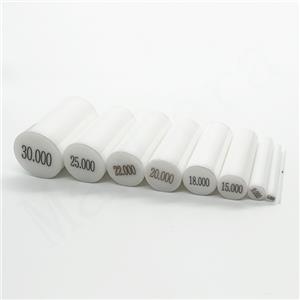
Technical ceramics are engineered materials with superior properties compared to traditional ceramics. They are typically composed of high-purity oxides, nitrides, carbides, or borides, and are manufactured through precise processes such as dry pressing, isostatic pressing, injection molding, and sintering. Common technical ceramic materials include alumina (Al2O3), zirconia (ZrO2), silicon nitride (Si3N4), silicon carbide (SiC), boron nitride (BN), and aluminum nitride (AlN). Each material offers a unique combination of properties, such as high hardness, wear resistance, thermal stability, electrical insulation, and corrosion resistance. Understanding these properties is essential for selecting the appropriate material for your specific application.
3. Key Criteria for Selecting High-Quality Technical Ceramics
When choosing high-quality technical ceramics, several critical factors must be considered:
- Material Purity and Consistency: High-purity raw materials and consistent composition are fundamental to achieving desired properties. Impurities can significantly degrade performance, especially in electronic or high-temperature applications.
- Density and Porosity: Fully dense ceramics with minimal porosity exhibit superior mechanical strength, wear resistance, and corrosion resistance. Porosity can act as stress concentrators and reduce reliability.
- Mechanical Properties: Hardness, flexural strength, fracture toughness, and elastic modulus are key indicators of a ceramic's ability to withstand mechanical loads. These properties should be verified through standardized testing.
- Thermal Properties: Thermal conductivity, coefficient of thermal expansion (CTE), and thermal shock resistance are crucial for applications involving temperature fluctuations. Matching CTE with mating materials reduces thermal stress.
- Electrical Properties: Dielectric strength, resistivity, and dielectric constant are important for insulating components. For conductive or semiconductive ceramics, conductivity and carrier mobility matter.
- Chemical Resistance: Resistance to acids, bases, and solvents is vital for chemical processing and medical applications. Corrosion resistance depends on material composition and microstructure.
- Surface Finish and Dimensional Accuracy: Precision machining ensures tight tolerances and smooth surfaces, which are critical for sealing, wear, and optical applications. Surface defects can initiate cracks and reduce fatigue life.
- Certifications and Standards: Compliance with international standards such as ISO9001, ASTM, and DIN demonstrates a supplier's commitment to quality management and consistency.
4. Material Selection Based on Application Requirements
Selecting the right material is paramount. Here is a comparison of common technical ceramics and their typical applications:
- Alumina (Al2O3): High hardness, excellent electrical insulation, good wear resistance, and moderate thermal conductivity. Used in wear plates, electrical insulators, and seals. Purity levels (e.g., 99.5%, 99.8%) affect performance.
- Zirconia (ZrO2): High fracture toughness and strength, excellent wear resistance, and low thermal conductivity. Used in cutting tools, medical implants, and oxygen sensors. Transformation toughening mechanism provides superior crack resistance.
- Silicon Nitride (Si3N4): High strength, excellent thermal shock resistance, and low density. Used in bearings, turbine blades, and engine components. Good for high-temperature and high-stress applications.
- Silicon Carbide (SiC): High hardness, excellent thermal conductivity, and superior wear resistance. Used in heat exchangers, mechanical seals, and armor. Also a semiconductor material for power electronics.
- Boron Nitride (BN): Excellent thermal conductivity, electrical insulation, and lubricity. Used in crucibles, heat sinks, and high-temperature insulators. Cubic BN is superhard for cutting tools.
- Aluminum Nitride (AlN): High thermal conductivity, electrical insulation, and good CTE match with silicon. Used in electronic substrates, heat spreaders, and packaging.
Consider application-specific requirements such as temperature, load, environment, and electrical properties. For example, in semiconductor manufacturing, AlN substrates are preferred for heat dissipation, while in chemical processing, high-purity alumina offers corrosion resistance.
5. Manufacturing Processes and Their Impact on Quality
The manufacturing process significantly influences the quality and reliability of technical ceramics. Key processes include:
- Powder Preparation: High-purity powders with controlled particle size distribution are essential. Spray drying ensures flowability and homogeneity.
- Forming: Dry pressing for simple shapes, isostatic pressing for uniform density in complex parts, injection molding for high-volume intricate geometries, and tape casting for thin substrates. Each method affects density, microstructure, and defects.
- Sintering: Controlled sintering profiles (temperature, atmosphere, time) determine densification, grain size, and phase composition. Hot isostatic pressing (HIP) can further reduce porosity.
- Machining: Diamond grinding, lapping, polishing, milling, turning, and cutting achieve final dimensions and surface finish. Advanced CNC machining ensures precision and repeatability.
- Quality Control: In-process inspection and final testing are critical. Non-destructive testing (NDT) methods like ultrasonic, X-ray, and dye penetrant inspection detect internal defects.
Suppliers with complete in-house capabilities from powder to finished product have better control over quality and lead times. For instance, XIAMEN MASCERA TECHNOLOGY CO.,LTD. operates completed production lines for molding, sintering, high precision machining, and quality inspection, ensuring fully dense components with accurate size and surface finish control.
6. Quality Assurance and Testing Standards
Robust quality assurance (QA) is non-negotiable. A high-quality supplier should adhere to international standards and implement rigorous testing protocols. Key aspects include:
- Certifications: ISO9001:2015 is a baseline; additional certifications like ISO13485 for medical, AS9100 for aerospace, and IATF16949 for automotive indicate industry-specific competence.
- Material Testing: Chemical analysis (e.g., XRF, ICP) for purity, density measurement (Archimedes method), and microstructural analysis (SEM, XRD) for phase and grain size.
- Mechanical Testing: Hardness (Vickers, Rockwell), flexural strength (3-point bending), fracture toughness (SEVNB, indentation), and wear testing.
- Thermal Testing: Thermal conductivity (laser flash), CTE (dilatometry), and thermal shock resistance.
- Electrical Testing: Dielectric strength, resistivity, and dielectric constant.
- Dimensional Inspection: CMM, optical comparators, and surface profilometers ensure adherence to tolerances.
- Traceability: Batch traceability from raw material to finished product is essential for quality control and recalls.
A qualified supplier should provide test reports and certificates of conformance (CoC) for each batch. XIAMEN MASCERA TECHNOLOGY CO.,LTD. carries out QC works according to ISO9001:2015 and achieves a qualified rate of more than 99%, demonstrating their commitment to quality.
7. Supplier Evaluation and Partnership
Choosing the right supplier is as important as choosing the material. Evaluate suppliers based on:
- Technical Expertise: Depth of material knowledge, application engineering support, and experience in your industry. Suppliers who understand your challenges can offer valuable solutions.
- Manufacturing Capabilities: Range of processes, equipment, and capacity. In-house capabilities from prototyping to mass production ensure consistency and reduce lead times.
- Quality Management: Certifications, QA procedures, and track record of quality performance. Request samples and test reports.
- Responsiveness: Prompt communication and support. A supplier that responds within 24 hours indicates good customer service.
- Financial Stability: Long-term viability to ensure supply continuity.
- Reputation: References from existing customers, industry reputation, and case studies.
- Geographic Location: Consider logistics, tariffs, and communication. While offshoring can reduce costs, ensure the supplier has experience with international clients.
XIAMEN MASCERA TECHNOLOGY CO.,LTD. is a China supplier specializing in custom manufacturing of technical ceramic components. With products exported to more than 30 countries and applications across machinery, automotive, chemistry, medical, energy, electronic, semiconductor, aerospace, and telecommunication industries, they have demonstrated global reach and diverse experience. Their multiple material options, custom manufacturing services, completed manufacturing technologies, systemized quality inspection, and quick response time (within 24 hours) make them a strong candidate for partnership.
8. Cost Considerations and Total Cost of Ownership
While unit price is important, total cost of ownership (TCO) should guide procurement decisions. TCO includes:
- Material and Manufacturing Cost: Influenced by material type, complexity, volume, and precision requirements.
- Quality Costs: Incoming inspection, rework, scrap, and downtime due to failures. High-quality ceramics reduce these costs.
- Lead Time: Longer lead times increase inventory carrying costs and risk of stockouts. Reliable suppliers with prompt lead times reduce this risk.
- Logistics and Tariffs: International shipping, duties, and taxes.
- Maintenance and Replacement: Durable ceramics last longer, reducing maintenance and replacement frequency.
- Supplier Management Cost: Effort to manage supplier relationships and resolve issues.
Investing in high-quality technical ceramics from a reputable supplier often yields lower TCO despite higher initial cost. For critical applications, reliability and performance outweigh price differences.
9. Case Studies and Industry Applications
Real-world examples illustrate the importance of proper material selection and supplier partnership:
- Aerospace: Silicon nitride bearings in turbine engines withstand high temperatures and loads, reducing weight and improving efficiency. Suppliers must meet AS9100 standards.
- Medical: Zirconia femoral heads in hip replacements offer wear resistance and biocompatibility. ISO13485 certification and strict traceability are mandatory.
- Semiconductor: Aluminum nitride substrates dissipate heat in power electronics, ensuring reliability. High thermal conductivity and cleanroom manufacturing are critical.
- Chemical Processing: Alumina liners and seals resist corrosive fluids, extending equipment life. High-purity materials prevent contamination.
These cases highlight the need for application-specific material selection and rigorous quality assurance. Suppliers like XIAMEN MASCERA TECHNOLOGY CO.,LTD. have expertise in material properties and machining techniques to provide optimal solutions for such demanding applications.
10. Future Trends in Technical Ceramics
The technical ceramics industry is evolving with trends such as:
- Advanced Materials: Development of nanocomposites and functionally graded ceramics for enhanced properties.
- Additive Manufacturing: 3D printing of ceramics enables complex geometries and customization.
- Digitalization: Industry 4.0 integration for smart manufacturing and predictive quality control.
- Sustainability: Eco-friendly processes and recyclable materials to reduce environmental impact.
- Miniaturization: Growing demand for small, precise ceramic components in electronics and medical devices.
Staying abreast of these trends helps buyers anticipate future requirements and select suppliers with innovative capabilities.
11. Conclusion
Choosing high-quality technical ceramics requires a systematic approach: understanding material properties, defining application requirements, evaluating manufacturing processes, ensuring quality assurance, and selecting a reliable supplier. By considering these factors, B2B buyers can optimize performance, reduce total cost of ownership, and build successful long-term partnerships. XIAMEN MASCERA TECHNOLOGY CO.,LTD. exemplifies a supplier committed to quality, with ISO9001:2015 certification, a 99% qualified rate, and a broad range of materials and services. Their global experience and customer-centric approach make them a valuable partner for technical ceramic solutions.
12. Contact Information
Company Name: XIAMEN MASCERA TECHNOLOGY CO.,LTD.
Email: info@mascera-tec.com
Phone: +86-592-5530093