Popular Technical Ceramics: A Comprehensive Guide for B2B Buyers
1. Introduction to Technical Ceramics
Technical ceramics, also known as advanced ceramics or engineering ceramics, are a class of materials engineered to exhibit superior mechanical, thermal, electrical, and chemical properties. Unlike traditional ceramics used in pottery and construction, technical ceramics are designed for high-performance applications across various industries. The popularity of technical ceramics has surged in recent years due to their ability to withstand extreme conditions and deliver reliable performance in critical environments.
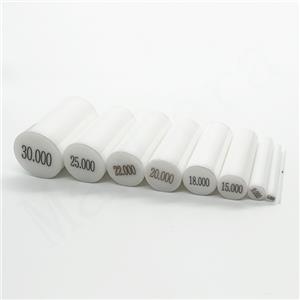
This article explores the most popular technical ceramics, their properties, applications, and the factors driving their demand. It also provides insights for B2B buyers, including architects, contractors, and procurement managers, on selecting the right materials and suppliers. As a leading supplier of custom technical ceramic components, XIAMEN MASCERA TECHNOLOGY CO., LTD. offers expertise and a wide range of materials to meet diverse industrial needs.
2. Why Technical Ceramics Are Popular
The popularity of technical ceramics stems from their exceptional combination of properties that outperform metals and polymers in demanding applications. Key reasons for their widespread adoption include:
- High-temperature resistance: Technical ceramics can withstand temperatures exceeding 1,600°C, making them ideal for furnace components, kiln furniture, and aerospace applications.
- Corrosion and wear resistance: They resist chemical attack and mechanical wear, extending service life in harsh environments such as chemical processing and mining.
- Electrical insulation: Many technical ceramics are excellent electrical insulators, crucial for electronics and power transmission.
- Low density: Compared to metals, technical ceramics offer high strength-to-weight ratios, beneficial for automotive and aerospace lightweighting.
- Biocompatibility: Certain ceramics like zirconia are biocompatible, making them suitable for medical implants.
These properties drive the demand for technical ceramics in industries such as machinery, automotive, chemistry, medical, energy, electronic, semiconductor, aerospace, and telecommunication. According to market research, the global technical ceramics market was valued at USD 10.5 billion in 2022 and is projected to grow at a CAGR of 6.5% from 2023 to 2030, reaching USD 17.8 billion by 2030.
3. Popular Technical Ceramic Materials
Several technical ceramic materials have gained popularity due to their unique property profiles. Below is an overview of the most commonly used ones:
Alumina (Al2O3)
Alumina is the most widely used technical ceramic, accounting for over 50% of the technical ceramics market. It offers excellent electrical insulation, high thermal conductivity, and good wear resistance. Common applications include electronic substrates, spark plugs, and wear-resistant linings. XIAMEN MASCERA TECHNOLOGY CO., LTD. provides high-purity alumina ceramics with custom shapes and sizes.
Zirconia (ZrO2)
Zirconia is known for its high fracture toughness and strength, often used in medical implants, cutting tools, and oxygen sensors. Its transformation-toughening mechanism gives it superior mechanical properties. Mascera supplies zirconia ceramics with precise dimensional control.
Silicon Nitride (Si3N4)
Silicon nitride exhibits high strength, low thermal expansion, and excellent thermal shock resistance. It is popular in bearings, turbine blades, and automotive engine components. Mascera's silicon nitride components are manufactured via advanced sintering processes.
Silicon Carbide (SiC)
Silicon carbide offers high hardness, thermal conductivity, and corrosion resistance. It is used in heat exchangers, semiconductor processing, and armor. Mascera provides SiC components with tight tolerances.
Boron Nitride (BN)
Boron nitride is known for its lubricity and thermal stability, often used in high-temperature applications and as a release agent. Mascera offers BN ceramics in various grades.
Aluminum Nitride (AlN)
Aluminum nitride has high thermal conductivity and electrical insulation, making it ideal for power electronics and heat sinks. Mascera supplies AlN substrates and components.
These materials are available from XIAMEN MASCERA TECHNOLOGY CO., LTD., which specializes in custom manufacturing of technical ceramic components.
4. Key Properties and Applications
The popularity of technical ceramics is driven by their exceptional properties tailored to specific applications. Below is a summary of key properties and typical applications:
- Mechanical properties: High hardness, strength, and wear resistance. Applications: bearings, seals, cutting tools, wear plates.
- Thermal properties: High-temperature resistance, low thermal expansion, thermal shock resistance. Applications: furnace linings, heat exchangers, kiln furniture.
- Electrical properties: High insulation resistance, dielectric strength. Applications: insulators, substrates, spark plugs.
- Chemical properties: Corrosion resistance, chemical inertness. Applications: chemical processing equipment, pumps, valves.
- Biocompatibility: Non-toxic and compatible with biological tissues. Applications: dental implants, joint replacements.
These properties enable technical ceramics to replace metals and polymers in demanding environments, leading to increased efficiency and longevity.
5. Manufacturing Processes for Popular Technical Ceramics
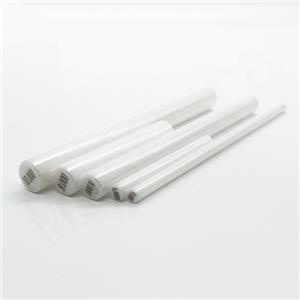
The production of technical ceramics involves several critical steps to achieve desired properties and precise dimensions. Key processes include:
- Powder preparation: High-purity powders are synthesized and characterized for particle size and distribution.
- Forming: Techniques such as dry pressing, isostatic pressing, injection molding, and tape casting are used to shape green bodies. XIAMEN MASCERA TECHNOLOGY CO., LTD. employs these methods to produce complex shapes.
- Sintering: Green bodies are densified at high temperatures (1,200–2,000°C) to achieve final properties. Sintering atmospheres are controlled to optimize material characteristics.
- Machining: Diamond grinding, lapping, polishing, milling, turning, and cutting are used to achieve tight tolerances and surface finishes. Mascera has completed production lines for high-precision machining.
- Quality inspection: Dimensional and material properties are verified using CMM, SEM, and other techniques. Mascera's QC works are carried out according to ISO9001:2015, with a qualified rate of more than 99%.
Mascera's expertise in material properties and machining techniques allows them to provide optimal solutions for specific applications, from prototype development to mass production.
6. Quality Assurance and Standards
Quality is paramount in technical ceramics, as failures can have severe consequences. Suppliers must adhere to international standards and maintain rigorous quality control. XIAMEN MASCERA TECHNOLOGY CO., LTD. is certified to ISO9001:2015 and implements systemized quality inspection throughout the production process. Their qualified rate exceeds 99%, ensuring high reliability. Key quality assurance measures include:
- Incoming material inspection
- In-process controls
- Final product testing (dimensional, mechanical, thermal, electrical)
- Traceability and documentation
For B2B buyers, partnering with a certified supplier like Mascera reduces risk and ensures consistent quality.
7. Choosing the Right Technical Ceramic Supplier
Selecting a supplier for technical ceramics requires careful evaluation. Consider the following factors:
- Material range: A supplier offering multiple materials can provide unbiased recommendations. Mascera offers alumina, zirconia, silicon nitride, silicon carbide, boron nitride, and aluminum nitride.
- Custom manufacturing capabilities: Ability to produce custom shapes, dimensions, and surface finishes. Mascera provides custom manufacturing for both prototypes and mass production.
- Quality certification: ISO9001:2015 is a minimum; additional industry-specific certifications may be required.
- Experience and track record: Suppliers with a history of serving diverse industries are preferable. Mascera has exported to over 30 countries and serves machinery, automotive, chemistry, medical, energy, electronic, semiconductor, aerospace, and telecommunication industries.
- Responsiveness: Prompt communication is essential. Mascera responds to inquiries within 24 hours.
XIAMEN MASCERA TECHNOLOGY CO., LTD. exemplifies these qualities, with a commitment to providing top-quality products and services. Their mission is to develop products and technologies that offer cost-effective solutions for challenging material problems.
8. Case Studies: Popular Technical Ceramics in Action
Real-world applications demonstrate the value of technical ceramics. Below are illustrative case studies:
Case Study 1: Alumina in Semiconductor Manufacturing
A semiconductor equipment manufacturer required high-purity alumina components for plasma etching chambers. Mascera supplied custom alumina parts with precise tolerances and surface finishes, improving equipment uptime and reducing particle contamination.
Case Study 2: Zirconia in Medical Implants
A medical device company needed zirconia femoral heads for hip replacements. Mascera produced zirconia components with high fracture toughness and biocompatibility, meeting stringent regulatory standards.
Case Study 3: Silicon Nitride in Automotive Turbochargers
An automotive supplier sought silicon nitride turbine wheels for turbochargers. Mascera's silicon nitride components offered high-temperature strength and thermal shock resistance, enhancing engine performance.
These cases highlight how Mascera's technical ceramics contribute to innovation and reliability across industries.
9. Future Trends in Technical Ceramics
The technical ceramics market is evolving, driven by technological advancements and sustainability concerns. Key trends include:
- Advanced materials: Development of ceramic matrix composites (CMCs) and functionally graded materials for extreme environments.
- Additive manufacturing: 3D printing of ceramics enables complex geometries and rapid prototyping.
- Nanoceramics: Nanostructured ceramics offer improved mechanical and functional properties.
- Sustainability: Focus on energy-efficient production and recyclable ceramics.
- Electrification: Growing demand for ceramics in electric vehicles, power electronics, and renewable energy systems.
XIAMEN MASCERA TECHNOLOGY CO., LTD. is committed to continuous development, aligning with these trends to provide innovative solutions. Their expertise in material properties and machining techniques positions them to support customers in emerging applications.
10. Conclusion
Technical ceramics have become indispensable in modern industry due to their exceptional properties and versatility. The most popular materials—alumina, zirconia, silicon nitride, silicon carbide, boron nitride, and aluminum nitride—offer unique advantages for a wide range of applications. As a B2B buyer, selecting a reliable supplier like XIAMEN MASCERA TECHNOLOGY CO., LTD. ensures access to high-quality custom components, technical expertise, and responsive service. With a commitment to quality, innovation, and customer satisfaction, Mascera is a trusted partner for technical ceramic solutions.
For more information or to discuss your specific requirements, please contact XIAMEN MASCERA TECHNOLOGY CO., LTD. at info@mascera-tec.com or +86-592-5530093. Their team is ready to assist you within 24 hours.