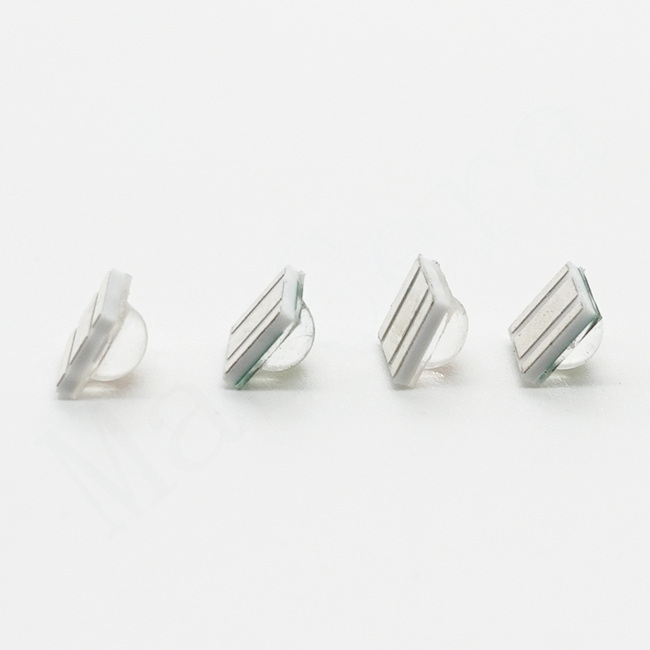
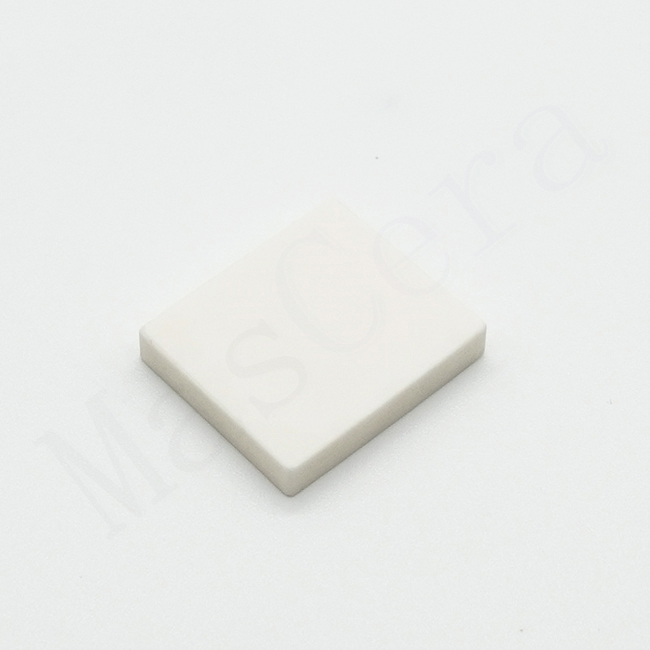
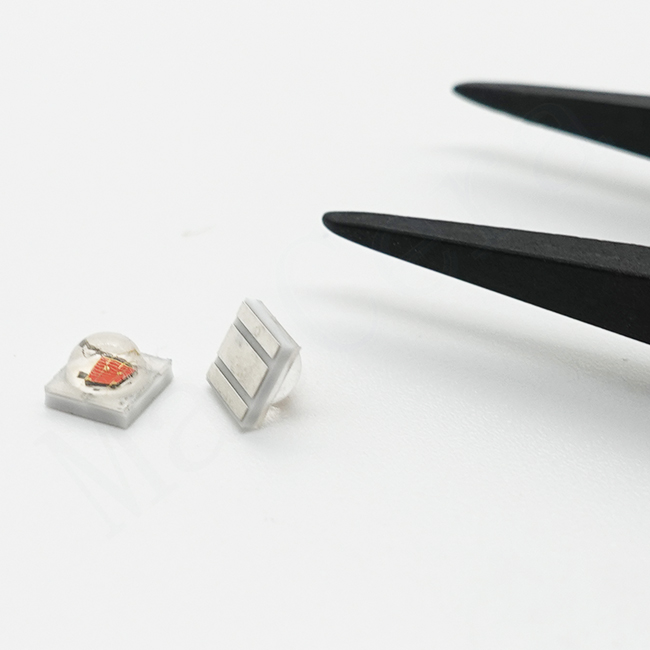
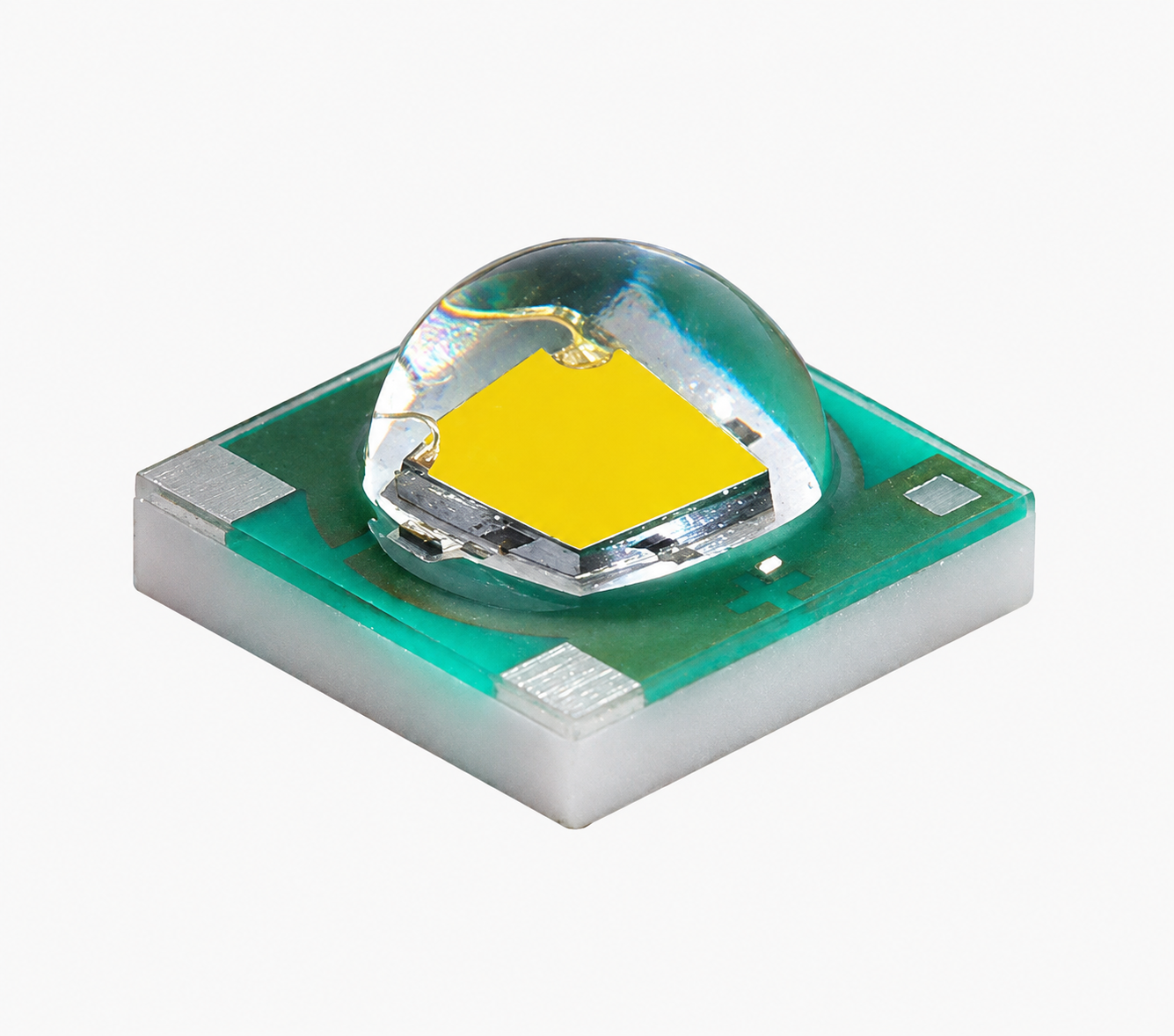
Alumina Ceramic Substrate for LED Packaging

- MSJ/CS-009
- Alumina Ceramic
- customized
- 10 pcs per type
- LED ceramic base, LED package substrate, LED lamp bead base, heat dissipation ceramic parts, electronic insulation components
96% Alumina (Al₂O₃) ceramic substrates provide a robust, stable, and versatile platform for LED packaging. Combining excellent electrical insulation, thermal stability, and mechanical strength.
Any inquiry please email info@mascera-tec.com or call +86 13860446139
Product detail
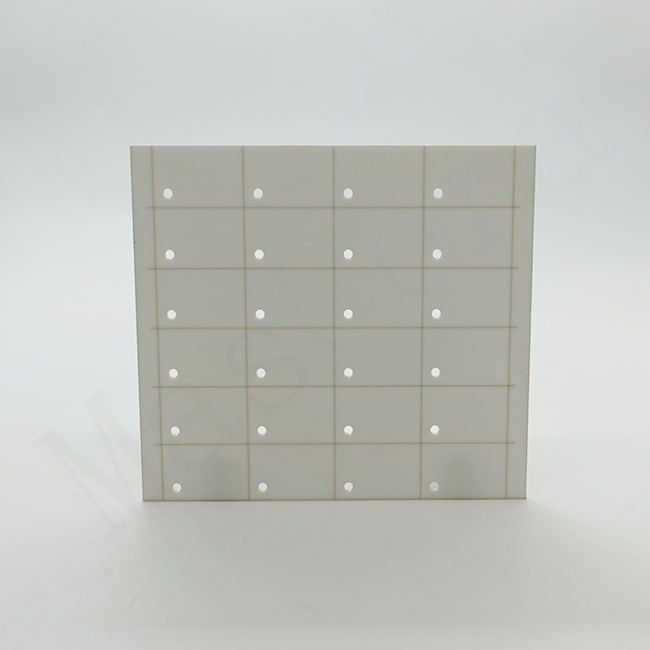
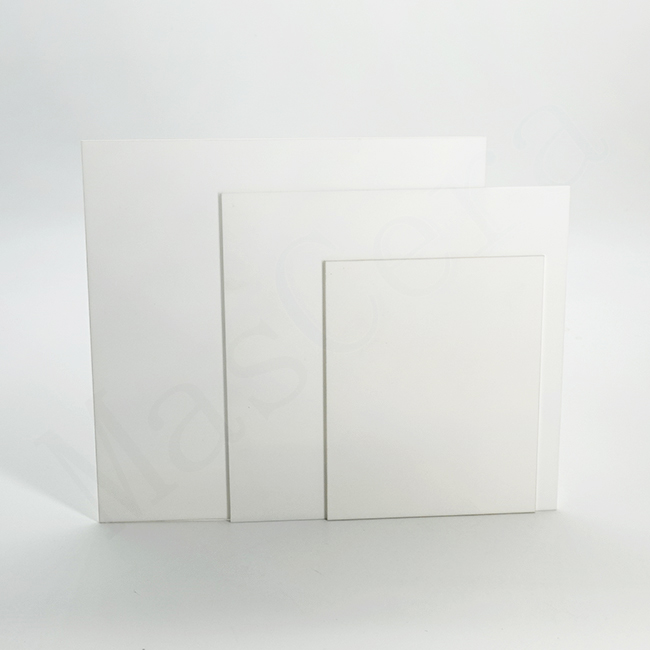
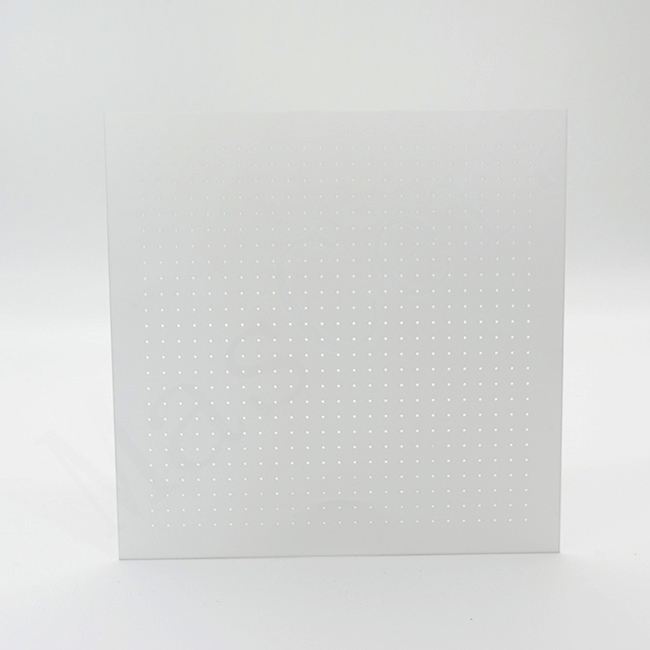
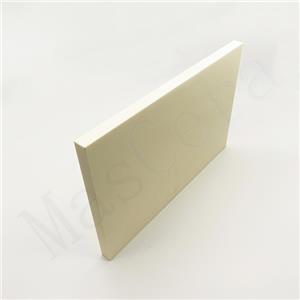
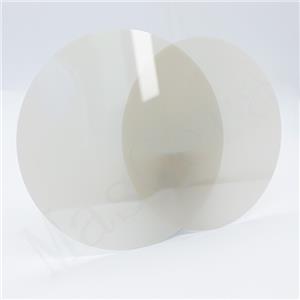
96% Alumina (Al₂O₃) ceramic substrates provide a robust, stable, and versatile platform for LED packaging. Combining excellent electrical insulation, thermal stability, and mechanical strength, these substrates ensure reliable performance for standard-power LEDs, SMD modules, COB arrays, and UV/UVC or IR devices.
With a white, polished surface and precise dimensional control, our alumina substrates support die attachment, wire bonding, and thick-film metallization, making them compatible with various LED assembly processes. Their mechanical durability and wear resistance minimize risks during handling and assembly, while the cost-effective design offers an economical solution without compromising quality or performance.
In addition, our Alumina Ceramic Substrate for LED Packaging provides stable heat dissipation for moderate-power LEDs, maintaining operational efficiency and longevity. This makes 96% alumina an ideal choice for outdoor lighting, industrial lighting, automotive lighting, and optoelectronic applications, where reliability and long service life are critical.
Why Ceramic Substrates Are Used in LED Packaging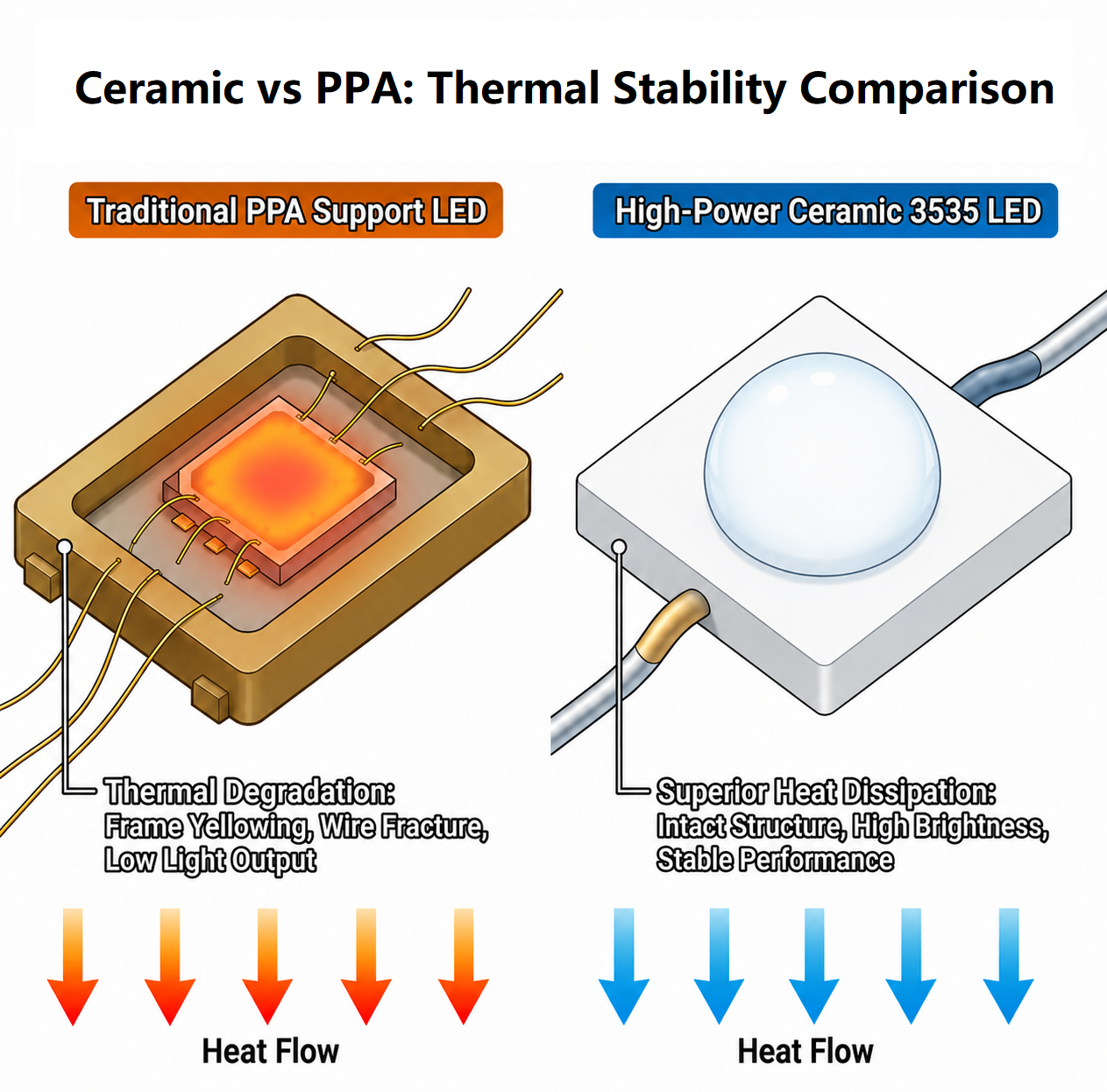
LED packages often operate in demanding environments. Outdoor lighting products such as street lights and tunnel lights face sunlight, rain, humidity, dust, and chemical exposure. Industrial high bay lights, explosion-proof lamps, and automotive LED modules are exposed to high temperatures, vibration, and tight spaces.
Ceramic substrates offer high electrical insulation, chemical stability, mechanical robustness, and thermal resistance, ensuring the LED package remains reliable over years of operation. Compared with organic materials like plastics or silicone, ceramics resist aging, moisture-induced short circuits, and heat-related deformation.
For extremely high-power LED packages, aluminum nitride substrates are often selected for superior thermal conductivity. For standard- and medium-power LED modules, however, 96% alumina provides a balanced, cost-effective solution, combining insulation, strength, and thermal stability.
How Electrical Circuits Are Formed on Ceramic Substrates
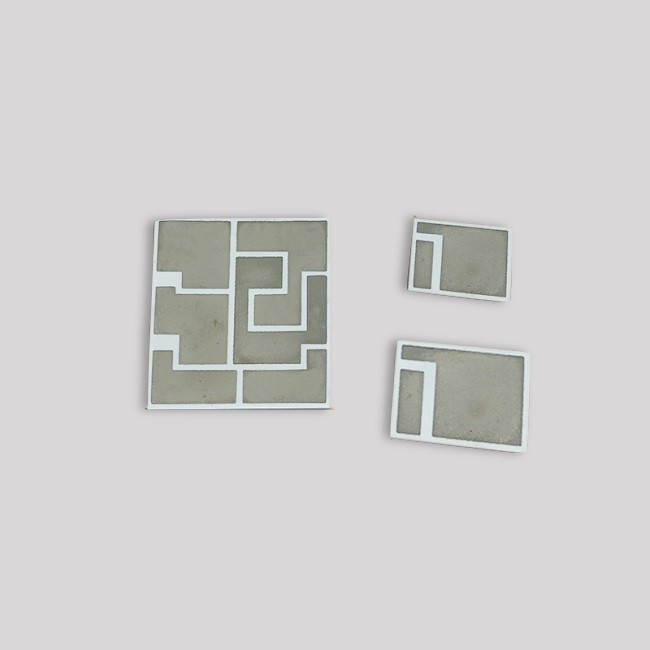
Although alumina is electrically insulating, conductive circuits can be formed on the surface using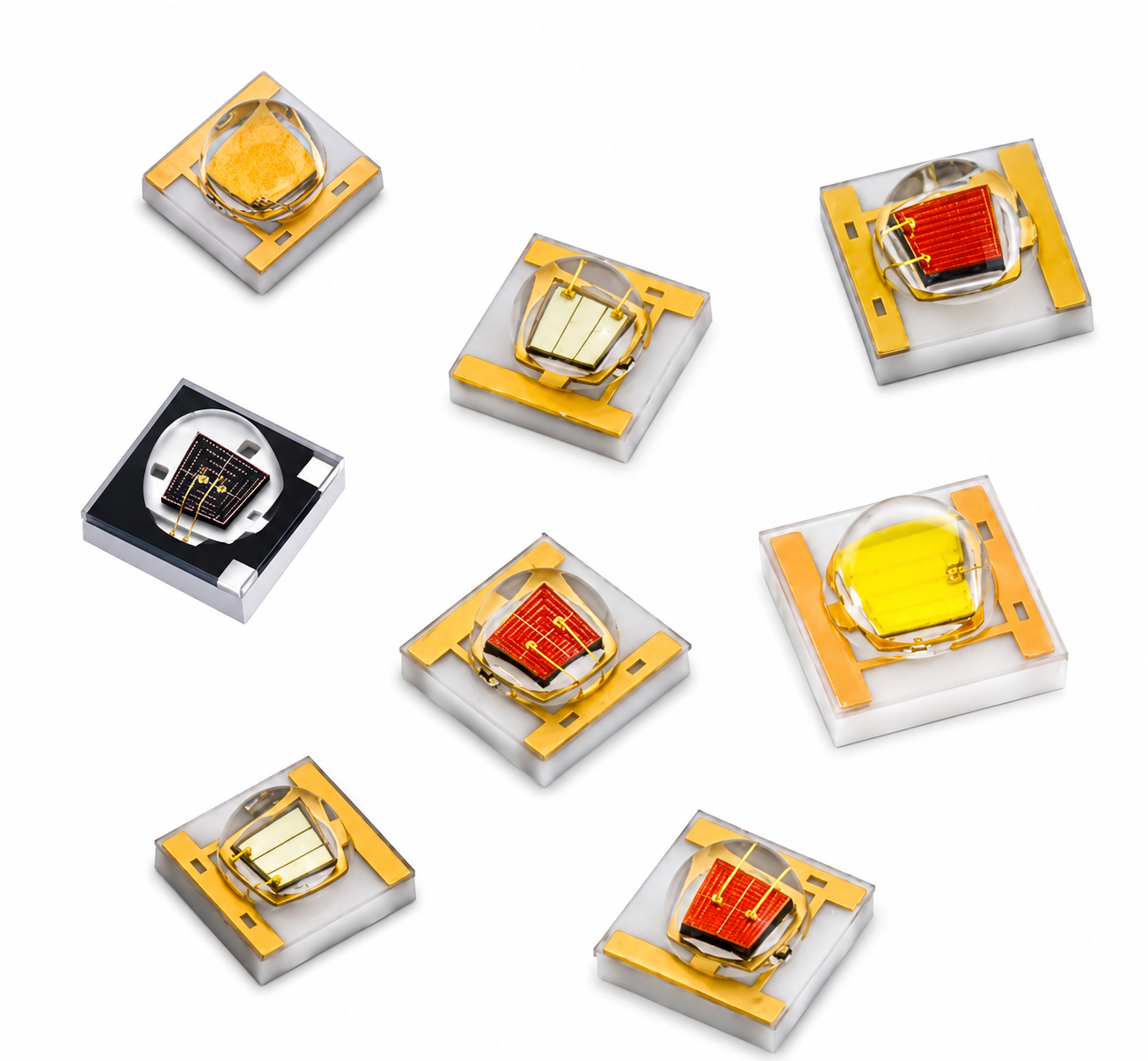 metallization techniques. Depending on the design, metal layers can be applied through thick-film metallization, thin-film metallization, DPC (Direct Plated Copper), DBC (Direct Bonded Copper), or other metalization methods.
These metal layers provide electrical connections for LED chips, bonding wires, solder pads, and external circuitry. In addition, they help distribute heat locally across the substrate surface, improving thermal performance of the package.For higher reliability and solderability, surface finishes such as nickel plating or gold plating can be applied to protect against oxidation and enhance wire bonding or soldering performance. Mascera can customize both the metal pattern and plating according to your LED module design.
Key Features
Excellent electrical insulation for safe LED operation
Good heat resistance and thermal stability
High mechanical strength and wear resistance
Smooth ceramic surface for die attachment and wire bonding
Cost-effective solution for standard LED modules
Stable performance in outdoor, industrial, and optoelectronic applications
Optional custom metallization and surface plating
Applications
SMD LED modules
COB LED arrays
Street lights and tunnel lights
High bay industrial lighting and explosion-proof lamps
UV / UVC LED modules
IR LED devices
Automotive LED lighting
Optoelectronic and general electronic packaging
Alumina Ceramic vs Aluminum Nitride Ceramic For LED Bases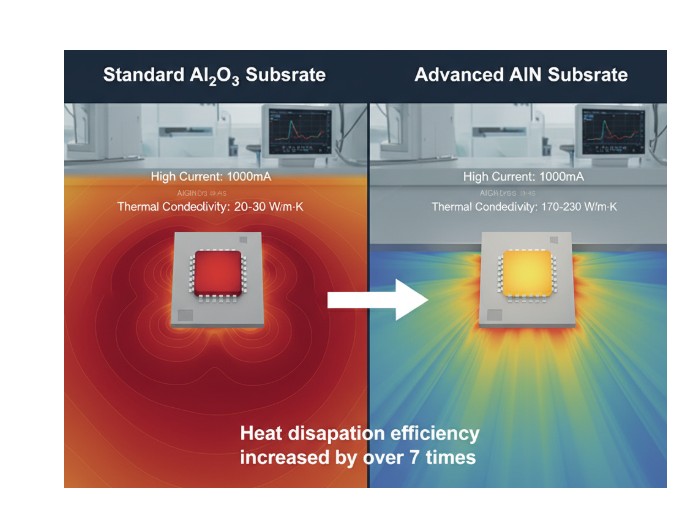
Alumina ceramic and aluminum nitride ceramic are both insulating ceramic materials used in electronic and LED applications. Alumina ceramic has good electrical insulation and lower material cost, making it suitable for general insulation parts and low to medium power applications.
Aluminum nitride ceramic is recommended when better heat dissipation is required. Its much higher thermal conductivity helps transfer heat away from the LED chip area more efficiently, making it suitable for LED package substrates, high-power LED ceramic bases, laser diode bases and other heat-sensitive electronic components.
Alumina Substrate Property Data
| ITEM | UNIT | PARAMETERS | |
|---|---|---|---|
| Al2O3 Purity | % | 96 | 99.6 |
| Color | ‐ | White | White |
| Density | g/cm3 | ≥3.72 | ≥3.9 |
| Warpage | - | ≤3‰*Length | ≤3‰*Length |
| Flexural Strength | Mpa | ≥350 | ≥450 |
| Thermal Conductivity (@RT) | W/m.k | >24 | ≥29 |
| Coefficient of Thermal Expansion(20-800℃) | 10‐6mm/℃ | 6-8 | 6-8 |
| Max working temperature | ℃ | 1650 | 1750 |
| Dielectric Constant(1MHz,@RT) | - | 9-10 | 9.5-10.5 |
| Dielectric Loss(1MHz,@RT) | - | ≤0.0003 | ≤0.0003 |
| Dielectric Strength | KV/mm | 17 | 17 |
| Volume Resistivity | Ω.cm | ≥1014 | ≥1014 |
Why Choose Mascera
At XIAMEN MASCERA TECHNOLOGY CO., LTD., we specialize in customized 96% Alumina LED substrates. We support both prototyping and mass production, offering flexible size, thickness, metallization, plating, and surface finish options.With extensive experience in technical ceramics and precision processing, Mascera ensures consistent quality, reliable performance, and cost-effective solutions for your LED packaging needs.
Contact us today to discuss your Alumina Ceramic Substrate for LED Packaging requirements!